As we move through 2025, Facebook and Google Ads continue to be major traffic sources, offering access to engaged audiences across different geos. However, with constant algorithm updates, advertisers must navigate both new opportunities and evolving challenges. While these platforms introduce advanced advertising tools, they also tighten moderation policies to enhance user experience. For affiliate marketers, staying agile and adapting quickly is essential.
Key Changes and Trends in Facebook Ads for 2025
At the start of 2025, Facebook Ads underwent significant updates, impacting ad policies, traffic monitoring, and targeting settings. While these adjustments affect all verticals, they are particularly relevant for nutra and gambling campaigns.
Updates in Targeting and Audience Data Collection
Facebook continues to refine its data protection policies, leading to major shifts in targeting capabilities:
Removed or Restricted: Interest-based targeting using external browsing behavior and historical user activity.
Still Available: Keyword and location-based targeting. Audience segmentation now relies more on contextual analysis, though interest targeting based on in-app activity remains.
Solution: Experiment with keyword-based targeting, leverage geo-targeting, and use dynamic creatives that adapt in real time to engage users effectively.
Tracking and Analytics: Navigating Data Limitations with Conversion API
Facebook has further restricted data collection, and iOS privacy measures continue to complicate tracking efforts:
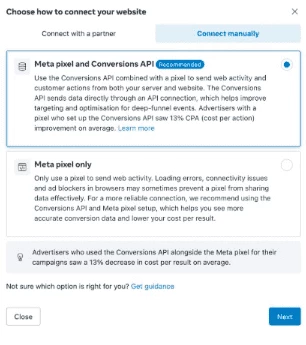
Meta Pixel alone is no longer sufficient. iOS restrictions and stricter data protection measures reduce its ability to track user actions accurately.
Conversion API is essential. Integrating API-based data transfer alongside the Pixel ensures more precise analytics.
Optimizing Event Match Quality (EMQ) helps refine data tracking and improve conversion attribution.
Facebook Reduces Reach for External Links
Facebook’s algorithm now further limits the reach of ads directing users to external landing pages. The platform prioritizes keeping users within its ecosystem, making traditional landing pages less effective. As a result, CPC is rising while CTR is dropping.
Alternative Approaches:
Utilize Lead Ads. In-platform lead forms perform better since they don’t require users to leave Facebook.
Test Instant Experience Ads. These load within Facebook, maintaining higher reach compared to external landing pages.
Increased Automation and AI-Driven Optimization
Facebook is expanding AI-driven campaign management, allowing more automation while requiring careful oversight.
New automation features include:
Advantage+ Campaigns – Automatically allocates budgets and tests different audiences.
Campaign Budget Optimization (CBO) – Dynamically adjusts budget distribution at the campaign level.
Auto-bidding – Facebook determines the optimal bid pricing.
Caution: While automation can improve efficiency, it’s important to monitor results closely. Without oversight, algorithms may overspend, requiring periodic adjustments.
Stricter Fraud Prevention Measures
Facebook has ramped up its anti-fraud efforts, enforcing stricter traffic verification. Bot-driven traffic and manipulation tactics are harder to execute, and suspicious accounts are being banned more swiftly. Best Practices:
Ensure traffic quality at every stage of the funnel.
Work with verified sources and avoid unreliable accounts.
Use anti-fraud tools to monitor traffic integrity.
Key Changes and Trends in Google Ads for 2025
Google Ads is undergoing major updates in automation, targeting, and compliance, particularly affecting high-risk verticals such as gambling and nutra.
AI-Powered Bidding Automation
Google continues to refine machine learning-driven bidding strategies, enabling:
Pros: Easier campaign scaling, reduced need for manual bid adjustments, and improved targeting precision. Cons: AI errors may increase bids for underperforming ads. Incorrect goal settings could lead to budget inefficiencies. Continuous monitoring and strategic adjustments are essential.
Increased Scrutiny for Gambling and Nutra Campaigns
Google Ads is enforcing stricter compliance measures for gambling, nutra, and other high-risk industries. Advertisers now face increased verification requirements, such as:
Proof of legitimacy (e.g., gambling licenses, compliance certificates for nutra products)
Geo-specific legal compliance due to varying regulations across different regions
How to Navigate These Changes:
Be prepared to provide necessary documentation.
Stay informed about legal requirements in different markets.
Optimize ad creatives to align with policy guidelines.
The Shift Away from Cookie-Based Targeting
Google is advancing its privacy-first approach by eliminating third-party cookie tracking, impacting how advertisers collect and leverage user data.
Alternative Targeting Methods:
Contextual targeting – Serving ads based on page content rather than user behavior.
Dynamic ads – Automatically generated based on website content.
First-party data collection – Building proprietary databases through lead forms, gated content, and email marketing.
Enhanced Analytics and Reporting
Google Ads is introducing advanced reporting tools to enhance performance insights:
End-to-end customer journey tracking from initial interaction to conversion.
More detailed audience engagement metrics for refined targeting.
Funnel analysis tools to improve campaign effectiveness.
How to Leverage These Features:
Continuously analyze user behavior to identify optimization opportunities.
Refine landing pages and creatives based on real-time data insights.
Test multiple funnel structures to maximize conversion potential.
Expanding Interactive and Mobile-Optimized Ad Formats
Google is prioritizing interactive and mobile-first advertising, introducing:
Enhanced video ad formats with interactive elements.
New mobile-adaptive banner solutions.
Adaptive AI-powered ad variations tailored to user preferences.
Final Thoughts
While evolving algorithms introduce challenges and compliance hurdles, they also present new opportunities. Affiliate marketers who stay analytical, agile, and open to testing innovative strategies will continue to succeed.
Despite stricter moderation, Facebook remains a viable traffic source, with numerous teams effectively adapting to its changes. The same holds true for Google—many solo affiliates and teams continue to profit by navigating these updates strategically.
Success in 2025 will depend on adaptability, continuous testing, and a data-driven approach. We collaborate with a diverse range of traffic sources and can match you with the right offers and geos to support your profitability and growth.
All our articles are based on real, hands-on experience. We only use AI to help organize a large amount of information into a compact, easy-to-read format.
As we move through 2025, Facebook and Google Ads continue to be major traffic sources, offering access to engaged audiences across different geos. However, with constant algorithm updates, advertisers must navigate both new opportunities and evolving challenges. While these platforms introduce advanced advertising tools, they also tighten moderation policies to enhance user experience. For affiliate marketers, staying agile and adapting quickly is essential.
Key Changes and Trends in Facebook Ads for 2025
At the start of 2025, Facebook Ads underwent significant updates, impacting ad policies, traffic monitoring, and targeting settings. While these adjustments affect all verticals, they are particularly relevant for nutra and gambling campaigns.
Updates in Targeting and Audience Data Collection
Facebook continues to refine its data protection policies, leading to major shifts in targeting capabilities:
Removed or Restricted: Interest-based targeting using external browsing behavior and historical user activity.
Still Available: Keyword and location-based targeting. Audience segmentation now relies more on contextual analysis, though interest targeting based on in-app activity remains.
Solution: Experiment with keyword-based targeting, leverage geo-targeting, and use dynamic creatives that adapt in real time to engage users effectively.
Tracking and Analytics: Navigating Data Limitations with Conversion API
Facebook has further restricted data collection, and iOS privacy measures continue to complicate tracking efforts:
Meta Pixel alone is no longer sufficient. iOS restrictions and stricter data protection measures reduce its ability to track user actions accurately.
Conversion API is essential. Integrating API-based data transfer alongside the Pixel ensures more precise analytics.
Optimizing Event Match Quality (EMQ) helps refine data tracking and improve conversion attribution.
Facebook Reduces Reach for External Links
Facebook’s algorithm now further limits the reach of ads directing users to external landing pages. The platform prioritizes keeping users within its ecosystem, making traditional landing pages less effective. As a result, CPC is rising while CTR is dropping.
Alternative Approaches:
Utilize Lead Ads. In-platform lead forms perform better since they don’t require users to leave Facebook.
Test Instant Experience Ads. These load within Facebook, maintaining higher reach compared to external landing pages.
Increased Automation and AI-Driven Optimization
Facebook is expanding AI-driven campaign management, allowing more automation while requiring careful oversight.
New automation features include:
Advantage+ Campaigns – Automatically allocates budgets and tests different audiences.
Campaign Budget Optimization (CBO) – Dynamically adjusts budget distribution at the campaign level.
Auto-bidding – Facebook determines the optimal bid pricing.
Caution: While automation can improve efficiency, it’s important to monitor results closely. Without oversight, algorithms may overspend, requiring periodic adjustments.
Stricter Fraud Prevention Measures
Facebook has ramped up its anti-fraud efforts, enforcing stricter traffic verification. Bot-driven traffic and manipulation tactics are harder to execute, and suspicious accounts are being banned more swiftly. Best Practices:
Ensure traffic quality at every stage of the funnel.
Work with verified sources and avoid unreliable accounts.
Use anti-fraud tools to monitor traffic integrity.
Key Changes and Trends in Google Ads for 2025
Google Ads is undergoing major updates in automation, targeting, and compliance, particularly affecting high-risk verticals such as gambling and nutra.
AI-Powered Bidding Automation
Google continues to refine machine learning-driven bidding strategies, enabling:
Pros: Easier campaign scaling, reduced need for manual bid adjustments, and improved targeting precision. Cons: AI errors may increase bids for underperforming ads. Incorrect goal settings could lead to budget inefficiencies. Continuous monitoring and strategic adjustments are essential.
Increased Scrutiny for Gambling and Nutra Campaigns
Google Ads is enforcing stricter compliance measures for gambling, nutra, and other high-risk industries. Advertisers now face increased verification requirements, such as:
Proof of legitimacy (e.g., gambling licenses, compliance certificates for nutra products)
Geo-specific legal compliance due to varying regulations across different regions
How to Navigate These Changes:
Be prepared to provide necessary documentation.
Stay informed about legal requirements in different markets.
Optimize ad creatives to align with policy guidelines.
The Shift Away from Cookie-Based Targeting
Google is advancing its privacy-first approach by eliminating third-party cookie tracking, impacting how advertisers collect and leverage user data.
Alternative Targeting Methods:
Contextual targeting – Serving ads based on page content rather than user behavior.
Dynamic ads – Automatically generated based on website content.
First-party data collection – Building proprietary databases through lead forms, gated content, and email marketing.
Enhanced Analytics and Reporting
Google Ads is introducing advanced reporting tools to enhance performance insights:
End-to-end customer journey tracking from initial interaction to conversion.
More detailed audience engagement metrics for refined targeting.
Funnel analysis tools to improve campaign effectiveness.
How to Leverage These Features:
Continuously analyze user behavior to identify optimization opportunities.
Refine landing pages and creatives based on real-time data insights.
Test multiple funnel structures to maximize conversion potential.
Expanding Interactive and Mobile-Optimized Ad Formats
Google is prioritizing interactive and mobile-first advertising, introducing:
Enhanced video ad formats with interactive elements.
New mobile-adaptive banner solutions.
Adaptive AI-powered ad variations tailored to user preferences.
Final Thoughts
While evolving algorithms introduce challenges and compliance hurdles, they also present new opportunities. Affiliate marketers who stay analytical, agile, and open to testing innovative strategies will continue to succeed.
Despite stricter moderation, Facebook remains a viable traffic source, with numerous teams effectively adapting to its changes. The same holds true for Google—many solo affiliates and teams continue to profit by navigating these updates strategically.
Success in 2025 will depend on adaptability, continuous testing, and a data-driven approach. We collaborate with a diverse range of traffic sources and can match you with the right offers and geos to support your profitability and growth.
As we move through 2025, Facebook and Google Ads continue to be major traffic sources, offering access to engaged audiences across different geos. However, with constant algorithm updates, advertisers must navigate both new opportunities and evolving challenges. While these platforms introduce advanced advertising tools, they also tighten moderation policies to enhance user experience. For affiliate marketers, staying agile and adapting quickly is essential.
Key Changes and Trends in Facebook Ads for 2025
At the start of 2025, Facebook Ads underwent significant updates, impacting ad policies, traffic monitoring, and targeting settings. While these adjustments affect all verticals, they are particularly relevant for nutra and gambling campaigns.
Updates in Targeting and Audience Data Collection
Facebook continues to refine its data protection policies, leading to major shifts in targeting capabilities:
Removed or Restricted: Interest-based targeting using external browsing behavior and historical user activity.
Still Available: Keyword and location-based targeting. Audience segmentation now relies more on contextual analysis, though interest targeting based on in-app activity remains.
Solution: Experiment with keyword-based targeting, leverage geo-targeting, and use dynamic creatives that adapt in real time to engage users effectively.
Tracking and Analytics: Navigating Data Limitations with Conversion API
Facebook has further restricted data collection, and iOS privacy measures continue to complicate tracking efforts:
Meta Pixel alone is no longer sufficient. iOS restrictions and stricter data protection measures reduce its ability to track user actions accurately.
Conversion API is essential. Integrating API-based data transfer alongside the Pixel ensures more precise analytics.
Optimizing Event Match Quality (EMQ) helps refine data tracking and improve conversion attribution.
Facebook Reduces Reach for External Links
Facebook’s algorithm now further limits the reach of ads directing users to external landing pages. The platform prioritizes keeping users within its ecosystem, making traditional landing pages less effective. As a result, CPC is rising while CTR is dropping.
Alternative Approaches:
Utilize Lead Ads. In-platform lead forms perform better since they don’t require users to leave Facebook.
Test Instant Experience Ads. These load within Facebook, maintaining higher reach compared to external landing pages.
Increased Automation and AI-Driven Optimization
Facebook is expanding AI-driven campaign management, allowing more automation while requiring careful oversight.
New automation features include:
Advantage+ Campaigns – Automatically allocates budgets and tests different audiences.
Campaign Budget Optimization (CBO) – Dynamically adjusts budget distribution at the campaign level.
Auto-bidding – Facebook determines the optimal bid pricing.
Caution: While automation can improve efficiency, it’s important to monitor results closely. Without oversight, algorithms may overspend, requiring periodic adjustments.
Stricter Fraud Prevention Measures
Facebook has ramped up its anti-fraud efforts, enforcing stricter traffic verification. Bot-driven traffic and manipulation tactics are harder to execute, and suspicious accounts are being banned more swiftly. Best Practices:
Ensure traffic quality at every stage of the funnel.
Work with verified sources and avoid unreliable accounts.
Use anti-fraud tools to monitor traffic integrity.
Key Changes and Trends in Google Ads for 2025
Google Ads is undergoing major updates in automation, targeting, and compliance, particularly affecting high-risk verticals such as gambling and nutra.
AI-Powered Bidding Automation
Google continues to refine machine learning-driven bidding strategies, enabling:
Pros: Easier campaign scaling, reduced need for manual bid adjustments, and improved targeting precision. Cons: AI errors may increase bids for underperforming ads. Incorrect goal settings could lead to budget inefficiencies. Continuous monitoring and strategic adjustments are essential.
Increased Scrutiny for Gambling and Nutra Campaigns
Google Ads is enforcing stricter compliance measures for gambling, nutra, and other high-risk industries. Advertisers now face increased verification requirements, such as:
Proof of legitimacy (e.g., gambling licenses, compliance certificates for nutra products)
Geo-specific legal compliance due to varying regulations across different regions
How to Navigate These Changes:
Be prepared to provide necessary documentation.
Stay informed about legal requirements in different markets.
Optimize ad creatives to align with policy guidelines.
The Shift Away from Cookie-Based Targeting
Google is advancing its privacy-first approach by eliminating third-party cookie tracking, impacting how advertisers collect and leverage user data.
Alternative Targeting Methods:
Contextual targeting – Serving ads based on page content rather than user behavior.
Dynamic ads – Automatically generated based on website content.
First-party data collection – Building proprietary databases through lead forms, gated content, and email marketing.
Enhanced Analytics and Reporting
Google Ads is introducing advanced reporting tools to enhance performance insights:
End-to-end customer journey tracking from initial interaction to conversion.
More detailed audience engagement metrics for refined targeting.
Funnel analysis tools to improve campaign effectiveness.
How to Leverage These Features:
Continuously analyze user behavior to identify optimization opportunities.
Refine landing pages and creatives based on real-time data insights.
Test multiple funnel structures to maximize conversion potential.
Expanding Interactive and Mobile-Optimized Ad Formats
Google is prioritizing interactive and mobile-first advertising, introducing:
Enhanced video ad formats with interactive elements.
New mobile-adaptive banner solutions.
Adaptive AI-powered ad variations tailored to user preferences.
Final Thoughts
While evolving algorithms introduce challenges and compliance hurdles, they also present new opportunities. Affiliate marketers who stay analytical, agile, and open to testing innovative strategies will continue to succeed.
Despite stricter moderation, Facebook remains a viable traffic source, with numerous teams effectively adapting to its changes. The same holds true for Google—many solo affiliates and teams continue to profit by navigating these updates strategically.
Success in 2025 will depend on adaptability, continuous testing, and a data-driven approach. We collaborate with a diverse range of traffic sources and can match you with the right offers and geos to support your profitability and growth.
As we move through 2025, Facebook and Google Ads continue to be major traffic sources, offering access to engaged audiences across different geos. However, with constant algorithm updates, advertisers must navigate both new opportunities and evolving challenges. While these platforms introduce advanced advertising tools, they also tighten moderation policies to enhance user experience. For affiliate marketers, staying agile and adapting quickly is essential.
Key Changes and Trends in Facebook Ads for 2025
At the start of 2025, Facebook Ads underwent significant updates, impacting ad policies, traffic monitoring, and targeting settings. While these adjustments affect all verticals, they are particularly relevant for nutra and gambling campaigns.
Updates in Targeting and Audience Data Collection
Facebook continues to refine its data protection policies, leading to major shifts in targeting capabilities:
Removed or Restricted: Interest-based targeting using external browsing behavior and historical user activity.
Still Available: Keyword and location-based targeting. Audience segmentation now relies more on contextual analysis, though interest targeting based on in-app activity remains.
Solution: Experiment with keyword-based targeting, leverage geo-targeting, and use dynamic creatives that adapt in real time to engage users effectively.
Tracking and Analytics: Navigating Data Limitations with Conversion API
Facebook has further restricted data collection, and iOS privacy measures continue to complicate tracking efforts:
Meta Pixel alone is no longer sufficient. iOS restrictions and stricter data protection measures reduce its ability to track user actions accurately.
Conversion API is essential. Integrating API-based data transfer alongside the Pixel ensures more precise analytics.
Optimizing Event Match Quality (EMQ) helps refine data tracking and improve conversion attribution.
Facebook Reduces Reach for External Links
Facebook’s algorithm now further limits the reach of ads directing users to external landing pages. The platform prioritizes keeping users within its ecosystem, making traditional landing pages less effective. As a result, CPC is rising while CTR is dropping.
Alternative Approaches:
Utilize Lead Ads. In-platform lead forms perform better since they don’t require users to leave Facebook.
Test Instant Experience Ads. These load within Facebook, maintaining higher reach compared to external landing pages.
Increased Automation and AI-Driven Optimization
Facebook is expanding AI-driven campaign management, allowing more automation while requiring careful oversight.
New automation features include:
Advantage+ Campaigns – Automatically allocates budgets and tests different audiences.
Campaign Budget Optimization (CBO) – Dynamically adjusts budget distribution at the campaign level.
Auto-bidding – Facebook determines the optimal bid pricing.
Caution: While automation can improve efficiency, it’s important to monitor results closely. Without oversight, algorithms may overspend, requiring periodic adjustments.
Stricter Fraud Prevention Measures
Facebook has ramped up its anti-fraud efforts, enforcing stricter traffic verification. Bot-driven traffic and manipulation tactics are harder to execute, and suspicious accounts are being banned more swiftly. Best Practices:
Ensure traffic quality at every stage of the funnel.
Work with verified sources and avoid unreliable accounts.
Use anti-fraud tools to monitor traffic integrity.
Key Changes and Trends in Google Ads for 2025
Google Ads is undergoing major updates in automation, targeting, and compliance, particularly affecting high-risk verticals such as gambling and nutra.
AI-Powered Bidding Automation
Google continues to refine machine learning-driven bidding strategies, enabling:
Pros: Easier campaign scaling, reduced need for manual bid adjustments, and improved targeting precision. Cons: AI errors may increase bids for underperforming ads. Incorrect goal settings could lead to budget inefficiencies. Continuous monitoring and strategic adjustments are essential.
Increased Scrutiny for Gambling and Nutra Campaigns
Google Ads is enforcing stricter compliance measures for gambling, nutra, and other high-risk industries. Advertisers now face increased verification requirements, such as:
Proof of legitimacy (e.g., gambling licenses, compliance certificates for nutra products)
Geo-specific legal compliance due to varying regulations across different regions
How to Navigate These Changes:
Be prepared to provide necessary documentation.
Stay informed about legal requirements in different markets.
Optimize ad creatives to align with policy guidelines.
The Shift Away from Cookie-Based Targeting
Google is advancing its privacy-first approach by eliminating third-party cookie tracking, impacting how advertisers collect and leverage user data.
Alternative Targeting Methods:
Contextual targeting – Serving ads based on page content rather than user behavior.
Dynamic ads – Automatically generated based on website content.
First-party data collection – Building proprietary databases through lead forms, gated content, and email marketing.
Enhanced Analytics and Reporting
Google Ads is introducing advanced reporting tools to enhance performance insights:
End-to-end customer journey tracking from initial interaction to conversion.
More detailed audience engagement metrics for refined targeting.
Funnel analysis tools to improve campaign effectiveness.
How to Leverage These Features:
Continuously analyze user behavior to identify optimization opportunities.
Refine landing pages and creatives based on real-time data insights.
Test multiple funnel structures to maximize conversion potential.
Expanding Interactive and Mobile-Optimized Ad Formats
Google is prioritizing interactive and mobile-first advertising, introducing:
Enhanced video ad formats with interactive elements.
New mobile-adaptive banner solutions.
Adaptive AI-powered ad variations tailored to user preferences.
Final Thoughts
While evolving algorithms introduce challenges and compliance hurdles, they also present new opportunities. Affiliate marketers who stay analytical, agile, and open to testing innovative strategies will continue to succeed.
Despite stricter moderation, Facebook remains a viable traffic source, with numerous teams effectively adapting to its changes. The same holds true for Google—many solo affiliates and teams continue to profit by navigating these updates strategically.
Success in 2025 will depend on adaptability, continuous testing, and a data-driven approach. We collaborate with a diverse range of traffic sources and can match you with the right offers and geos to support your profitability and growth.
This site uses cookies to help personalise content, tailor your experience and to keep you logged in if you register.
By continuing to use this site, you are consenting to our use of cookies.