

- Nov 29, 2022
- 2,557
- 287

Google Ads is much like a strict teacher: it favors those who follow the rules and rarely forgives mistakes. For affiliate marketers aiming to run successful campaigns, the key is to present the image of a reliable and policy-compliant advertiser. This article explores the essential elements for launching sustainable and compliant campaigns, even in challenging verticals.
The Role of IP Location in Trust Building
The geographical association of an account is a critical factor when working with sensitive offers. Google closely monitors the origin of ad traffic, and accounts connected to “high-risk” regions often face additional scrutiny. That’s why many affiliates consider a U.S.-based IP to be the most trustworthy option. It typically receives more leniency in moderation and helps improve overall campaign stability. Still, even the most reputable IP location won’t protect an account if policy violations are detected.Understanding Spend: Quality Over Quantity
Spend—the total advertising cost within an account—is often misunderstood. Some assume that high spend automatically increases trust. However, this isn't always the case.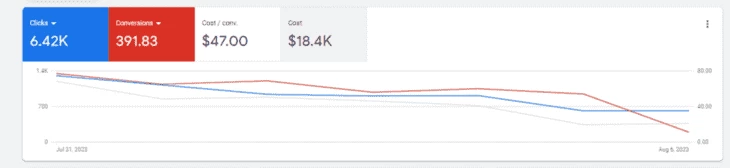
Large budgets can backfire if they generate irrelevant traffic or if conversions are lacking. Additionally, sudden spikes in spend may be flagged as suspicious activity, especially in new accounts. Experienced affiliate marketers know that consistency and engagement metrics carry more weight. Gradual budget increases and continuous, high-quality traffic are more likely to build long-term credibility.
Landing Pages: Where Trust Is Earned or Lost
Even the most finely tuned campaign will fail if the landing page lacks quality. This is the user’s first real interaction with your offer—and it has to deliver.
What defines a strong landing page in Google Ads:
– Clean, well-structured code with no suspicious scripts or redirect chains
– Professional design with intuitive navigation and compliant media elements
– Clear, engaging copy that avoids exaggerated claims while remaining persuasive
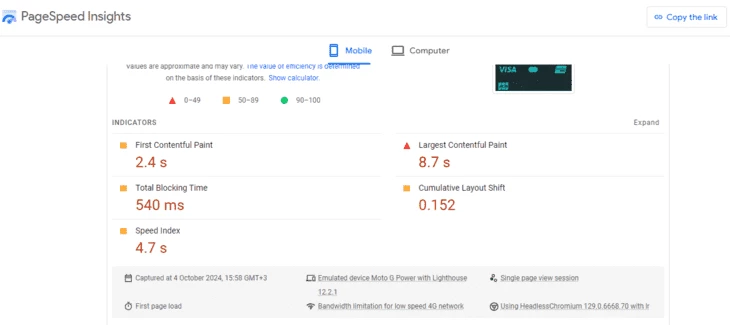
– Fast loading speed across devices—testable via PageSpeed Insights
– Full mobile and desktop responsiveness
Affiliates should continuously study competitive landing pages in their niche and iterate on the best-performing elements. A/B testing different combinations of text, layout, and calls to action is essential to discovering what works best.