

- Nov 29, 2022
- 2,496
- 285

Many affiliate marketers continue to rely on familiar advertising tools, but recent data shows that Google Ads reaches over 90% of internet users globally. This vast coverage makes it one of the most powerful ecosystems for online promotion.
In 2024, Google introduced a new campaign format — Demand Gen — replacing the previous Discovery campaigns. Though similar in structure, Demand Gen brings expanded capabilities aimed at improving reach, engagement, and conversion rates. This article explores how affiliate marketers can benefit from this format and outlines best practices for launching effective campaigns.

What Is Demand Gen?
Demand Gen (short for Demand Generation) is designed for advertisers looking to drive awareness and interest through visually rich, multi-format ads. With over 3 billion active users across Google properties and more than 50 billion daily views on YouTube Shorts, the potential scale is immense.Notably, about 90% of Demand Gen traffic comes from mobile devices, which calls for creatives optimized specifically for mobile viewing. Dynamic visuals, smooth transitions, and eye-catching effects are key components in crafting engaging content for this format.

Google’s machine learning algorithms help deliver relevant ads to the right audience segments, using large-scale behavioral and contextual data. In early 2024, new AI-powered creative tools were also integrated, allowing advertisers to generate visual assets with human figures more efficiently.
Some industry analysts predict that in the near future, video campaigns in Google Ads will be fully integrated into Demand Gen, making it a central hub for multimedia advertising. While this has not been officially confirmed, current trends point in that direction.
Campaign Objectives and Ad Formats
Demand Gen supports three primary conversion objectives: clicks, conversions, and conversion value. Ad formats include single image, image with text, video, carousel, and product feeds. This variety allows affiliate marketers to tailor content based on the specifics of the offer and target audience.Strategic Recommendations for Affiliates
Demand Gen is particularly suitable for building demand among cold audiences. While such traffic is not always ideal for affiliate offers, practical experience suggests that the format can perform well across a variety of verticals, including e-commerce, online services, digital content, and informational products.Affiliate marketing teams have shown increasing interest in this format, given its potential for high lead volume and flexible targeting options. For those considering Demand Gen as part of their traffic acquisition strategy, the following tips can serve as a foundation:
- Audience Strategy: Start with either broad targeting or a clearly defined interest-based audience segment. Testing both can help identify what works best for a specific vertical.
- Budget Management: Keep the initial daily budget under $100 to manage costs and observe performance trends before scaling.
- Target Cost Per Lead: Set a clear target cost for each lead based on the offer. Without this control, lead prices can become inefficient.
- Optimized Targeting: Leave optimized targeting enabled to allow the algorithm to find additional relevant users and avoid premature traffic limitations.
- Creative Structure (5 x 5 x 5 Approach): Begin testing with a set of 5 images, 5 headlines, and 5 descriptions. This structure allows the system to optimize combinations based on real-time performance data.
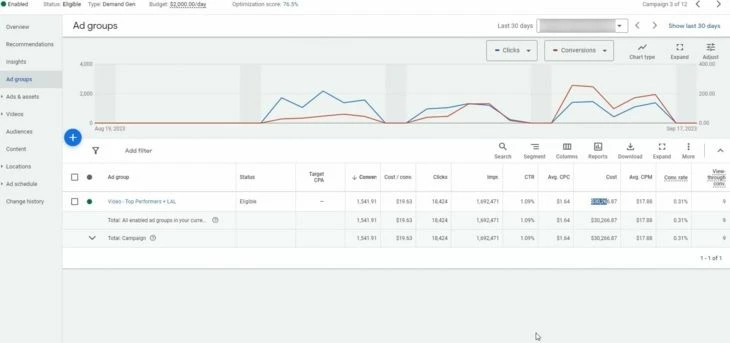
Notes on Policy and Compliance
When working with sensitive verticals or topics, advertisers should be prepared for limited account lifespan or delays in approval. Accounts with pre-established activity tend to perform better, though eventual restrictions are still possible.Despite strict moderation, experienced marketers have found ways to launch campaigns even in challenging niches by focusing on compliant creatives and gradual campaign scaling. As always, maintaining quality and relevance is critical for long-term success.