

- Nov 29, 2022
- 2,578
- 287

According to Accenture, three out of four consumers are more likely to choose a seller who greets them by name, recommends products based on previous purchases, or tailors offers to their shopping history. Salesforce reports that over 60% of customers expect companies to adapt to their changing interests and preferences.
Personalized advertising is designed to meet these expectations by delivering targeted, relevant offers to individual users. It’s built on the idea that people are more likely to respond to messages that align with their behavior and needs. While often seen as a powerful tool, even well-crafted personalization doesn’t always lead to conversion. Understanding why requires a deeper look into how this strategy operates within affiliate marketing.
What Is Personalized Advertising
Personalized advertising is essentially a direct, context-aware message that reaches the right person at the right time. It’s more than segmentation — it’s a tailored communication based on data that matters. This approach boosts engagement because it connects with what a specific customer segment actually cares about.There’s a popular belief that personalization is a magic bullet that improves performance, reduces ad spend, and drives customer loyalty. In general, this belief holds true, which is why it’s no longer perceived as a competitive edge, but rather as a baseline expectation. McKinsey notes that 70% of consumers expect some form of personalization, and 75% feel disappointed when they don’t receive it.
Affiliate marketers increasingly rely on tailored messaging not only to increase sales but also to strengthen long-term relationships with customers. Personalized experiences encourage repeat purchases and organic referrals, which contribute to sustained revenue growth. A 2024 study by Twilio Segment found that users are more likely to remain loyal to brands that recognize and reflect their individual preferences.
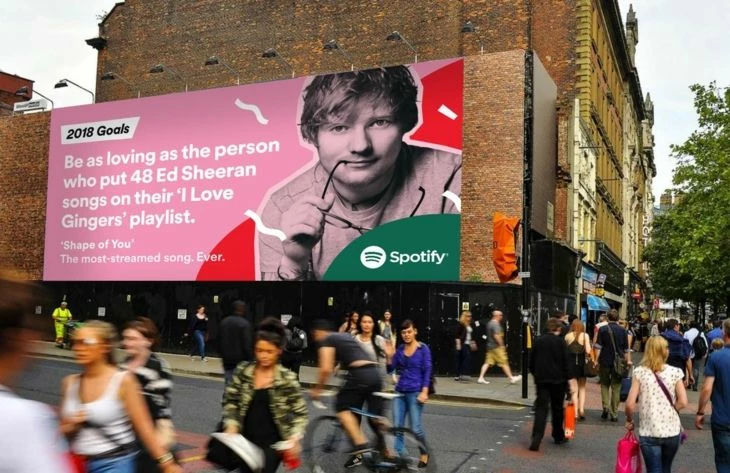
How Personalization Benefits the Business
Done well, personalized advertising can significantly increase sales and enhance brand perception. Unlike broad-reach campaigns, the success here lies in understanding micro-segments — tracking how individuals behave, what they value, and when they are most responsive.The more affiliate marketers know about their target audience — lifestyle, habits, motivations — the more effective their messaging becomes. The customer perceives this as care and attention, not just another marketing effort.
Key benefits of personalization in affiliate marketing include:
- increased customer loyalty
- stronger long-term relationships with audiences
- improved user experience and engagement
- higher average order value
- reduced churn
- more efficient use of ad budgets through precision targeting
- competitive differentiation
- better anticipation of trends and customer intent
- higher likelihood of positive reviews and referrals
What Can Be Personalized in Advertising
Modern ad platforms allow for precise targeting across multiple dimensions:- Demographics — gender, age, family status, income
- Geography — country, city, local area
- Behavior — site visits, purchase history, browsing habits
- Seasonality — holidays, weather, real-world events
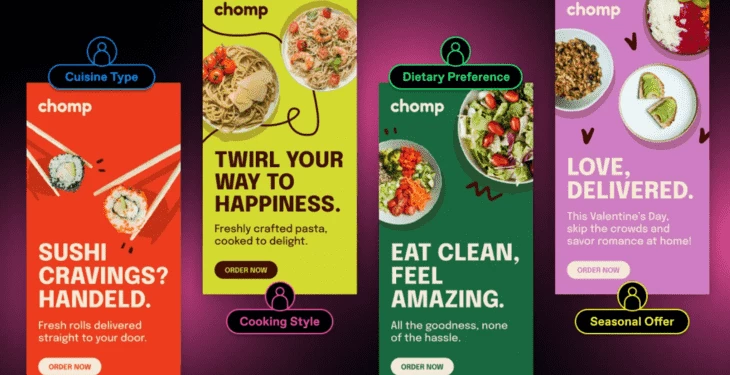
In addition to targeting, CRM-based personalization plays a major role. Using first-party data, affiliates can adjust their messaging based on:
- Average order value — higher spenders may receive premium offers, while more price-sensitive users are shown basic deals or limited-time discounts
- Last order date — re-engagement offers can be triggered when a customer becomes inactive
- Loyalty level — regular buyers may receive VIP perks, while occasional ones are encouraged with tailored incentives
- Payment methods — users who prefer installment plans may see offers with flexible payment options
- Loyalty program tier — higher-tier members can be rewarded with exclusives or early access
What Gets Adapted in Personalized Campaigns
Creatives
Visuals should reflect age groups and interests. Youthful designs for younger audiences, minimalism for professionals. Color schemes, imagery, and tone shift accordingly. Past behavior and location can also guide seasonal or regional creative decisions.Ad copy
Use the recipient’s name. Refer to locations, previous actions, or relevant moments. Align the message with behavioral patterns — whether they’re new, returning, or high-value customers.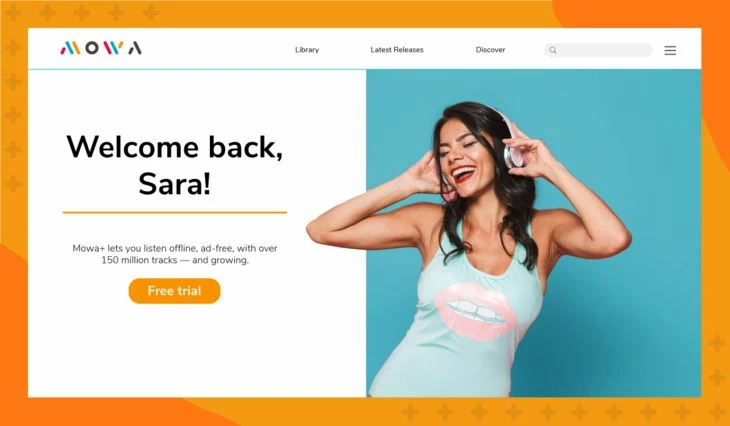
Offers and pricing
Provide unique discounts or early access for registered users. Offer risk-free trials or money-back guarantees. Use exit-intent promotions to retain visitors. Deploy dynamic pricing based on demand, similar to ride-hailing apps.Product recommendations
Leverage AI to suggest products based on individual behavior, purchase history, or inferred tastes. The more accurate the insight, the better the upsell opportunity.Communication channels
Use first-name personalization and send relevant alerts via email, messenger apps, or push notifications. Include holiday greetings with subtle promotional offers. Trigger reminders for abandoned carts. Gamify the experience with short quizzes. Adjust tone and frequency across different platforms.Landing pages
Match page content to geolocation. Display local currencies and payment options. Adapt content based on previous site activity. Show relevant bundles, bonuses, or time-limited deals.Why Personalization Can Backfire
Despite the clear advantages, personalization doesn’t guarantee success. If a user has no interest in your product, the most precisely tailored message won’t change that. Marketers sometimes confuse personalization with value. A relevant message can’t compensate for a weak product or unclear value proposition.Some affiliate marketers treat personalization like a shortcut to conversion. But adding someone’s name to an ad doesn’t automatically build trust. Without real substance, even the most customized message feels empty.
Effective personalization starts with understanding the customer and their real needs — not with surface-level tricks.