

- Nov 29, 2022
- 2,496
- 285

Let’s start with the main misconception: trust signals are not designed to pressure users emotionally or promise unrealistic gains. They are quiet indicators that reassure the user: “This isn’t a scam—you can safely click.” They rarely draw attention to themselves, but they are precisely what generates a steady flow of high-quality leads from cold traffic.
In this article, we explain which trust signals genuinely increase credibility and what to focus on when building promotional assets.
What You Need to Know About Trust Signals
Cold traffic follows one dominant behavioral pattern: “I don’t know this brand, so there’s a risk I could be misled and lose money.” This underlying anxiety reduces click-through rates, limits engagement beyond the first screen, and prevents users from reaching conversion.Trust signals exist to remove this internal stop signal and guide the user through the funnel toward the desired action.
The key point to understand is this: trust signals do not sell on their own. They do not promise profit, bonuses, or emotions. Their role is to create a sense that the user has reached the offer without hidden risks.
Core Trust Signals
We’ll skip obvious tactics like fake comments localized by GEO. Instead, let’s focus on trust signals that are often underestimated but have a real impact on conversion rates in cold traffic.A Familiar Platform Experience
If a landing page feels like a generic template translated into multiple languages, users leave immediately. That’s why localization should go beyond text and extend to micro-details.Number and currency formats matter. Every region has its own conventions. For example, Germany uses 1.200,53 €, Switzerland uses 1'200.53, and many LATAM countries use 1.200,53. These details are critical—mistakes here are perceived as more serious than a simple typo.
Tone of voice is equally important. Observe how local services communicate. They’ve already identified a tone their audience trusts. In some markets, direct and open messaging works best, while in others a more respectful tone that emphasizes user status performs better.
Support-style language also plays a role. Phrases like “If the page doesn’t load, please refresh,” “We’re processing your request—this may take up to 15 seconds,” or “Please check your connection” mirror the everyday language of real digital services. This familiarity significantly increases trust.
Patterns of Established Services
Since users can’t truly verify the product, they rely on familiar behavioral patterns.Structured, step-by-step flows are especially effective. A clear sequence—Step 1, Step 2, Confirmation—is something users have seen countless times in banking apps, government portals, and major marketplaces. The brain interprets this as a safe and predictable process.
Realistic form behavior also matters. In legitimate services, form fields activate only after interaction—for example, highlighting once the user starts typing. These subtle UX patterns, borrowed from financial and e-commerce platforms, reduce fear of fraud.
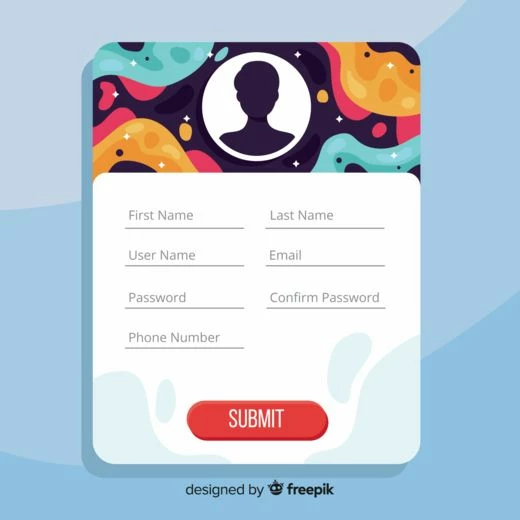
Simulated verification states reinforce credibility as well. Messages like “Verifying details,” “Selecting available options,” or “Checking your region” suggest internal logic and rules. Where rules exist, perceived risk is lower.
A “Living” Product
Adding elements such as “Updated on November 2, 2025” or “Reviewed on October 10, 2025” creates the impression of an active, maintained product. These cues are mundane enough to feel authentic and are difficult to fake convincingly.The same applies to phrases like “Offer available to new users only” or “The number of activations is limited.” These mirror real operational constraints seen in legitimate services.
Fraud-focused projects rarely invest in micro-realism. They prioritize short-term functionality. When users notice details that typically appear only in real products, they reach a simple conclusion: “If this level of care exists, the product is likely legitimate.”
The Financial Safety Signal
This is one of the most powerful and most underestimated trust signals. It involves using visual elements that resemble the interfaces of local banking or payment environments—layouts, colors, typography, and button styles that feel familiar within a specific market.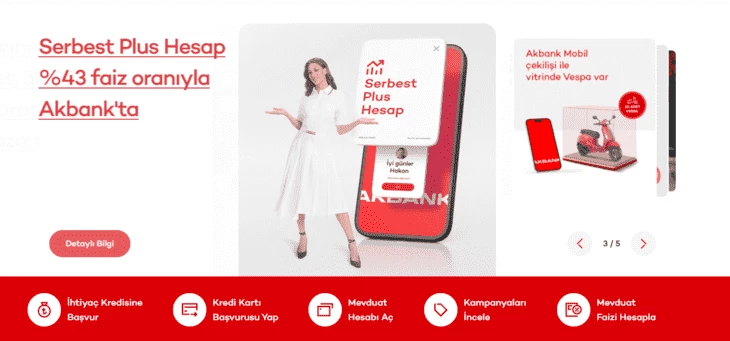
This is not about displaying logos of payment methods the offer doesn’t support. The goal is to replicate a recognizable financial aesthetic. That familiarity alone can significantly increase perceived reliability.
Soft Entry Into the Funnel
One final nuance is how users enter the funnel. With cold traffic, prompts like “Check availability” consistently outperform aggressive calls to action such as “Buy now” or “Place an order.” A softer entry reduces anxiety and avoids the feeling that the user is being pushed into an immediate decision.Conclusion
The colder the traffic, the more important every micro-signal becomes: localized tone, familiar number formats, recognizable UX patterns, subtle financial aesthetics, and realistic limitations.When these trust signals are integrated naturally, cold traffic becomes warmer. Anxiety decreases, engagement depth increases, and more users reach the intended action. In practice, optimizing trust signals is one of the most cost-effective ways to improve conversion rates without changing the offer or complicating the funnel.