

- Nov 26, 2015
- 4,755
- 1,050
Have you ever wondered how to find keywords on a random website or your competitors and wondered why it's crucial for your Online Business success?
Here are some easy steps to work for:
1. Using Search Operators:
Google provides more focused results when you use search operators to find exact details with various variations.
For example:
Site: forbes.com “business”
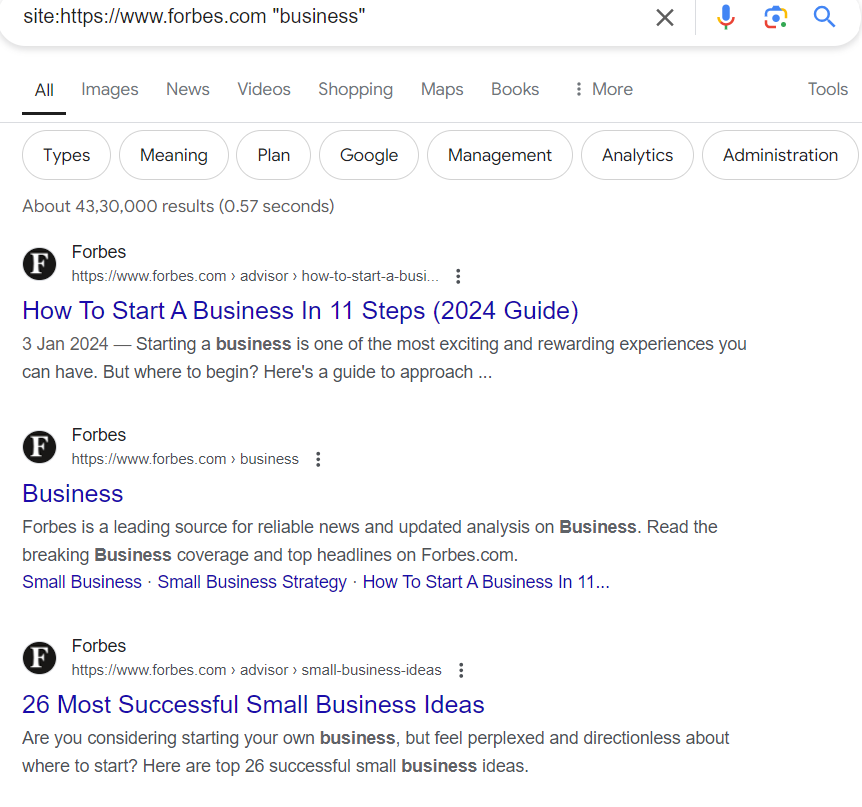
If you want to find a specific keyword that gets more results in the titles use this method:
Site:forbes.com intitle: finance 2024

2. Searching via the Website's Search Bar:
Many websites feature a search box, which can be helpful whether you find it in the header/navigation menu or as a magnifying glass icon. For instance, if you search for "best finance tips," the search bar will show relevant topics.
For example, if you find like best finance tips it shows you the relevant topics;

3. Using the Browser's Find Function:
You can use the browser's Find function if you're looking for articles related to startups, including their parameters, investments, and other factors. This will highlight all instances of the keyword you search for on the page.
The browser will highlight all the keywords you search like:

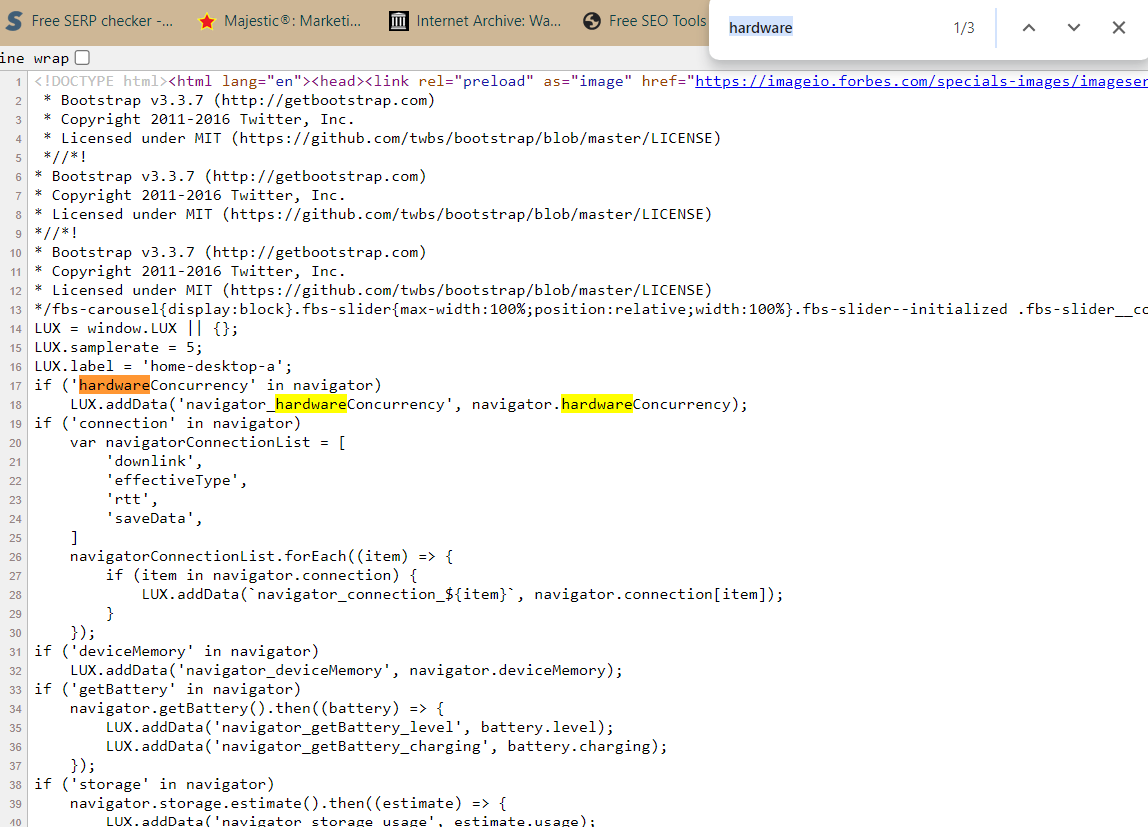
4. Finding Keywords via Page Source:
You can access hidden HTML sources by right-clicking on a webpage and selecting "View Page Source." This will redirect you to the HTML source code, where you can find meta descriptions, meta titles, and other relevant details about the page.

5. Using SEO Tools:
SEO tools are crucial for analyzing competitors and identifying keywords if you are unsure about the topics or specific keywords to target. These tools help you understand how competitors reach their audience and assist in keyword selection.
For example, you can use the SEMrush Tool to identify keywords that your competitors rank for. Once you finalize your keywords, you can incorporate them into your articles with the appropriate keyword density and variations.
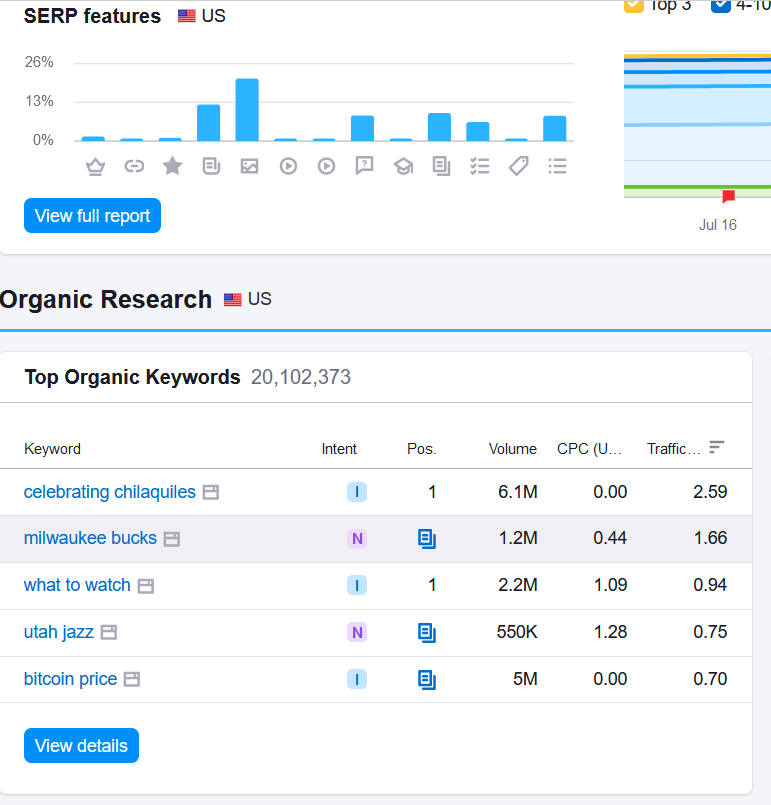
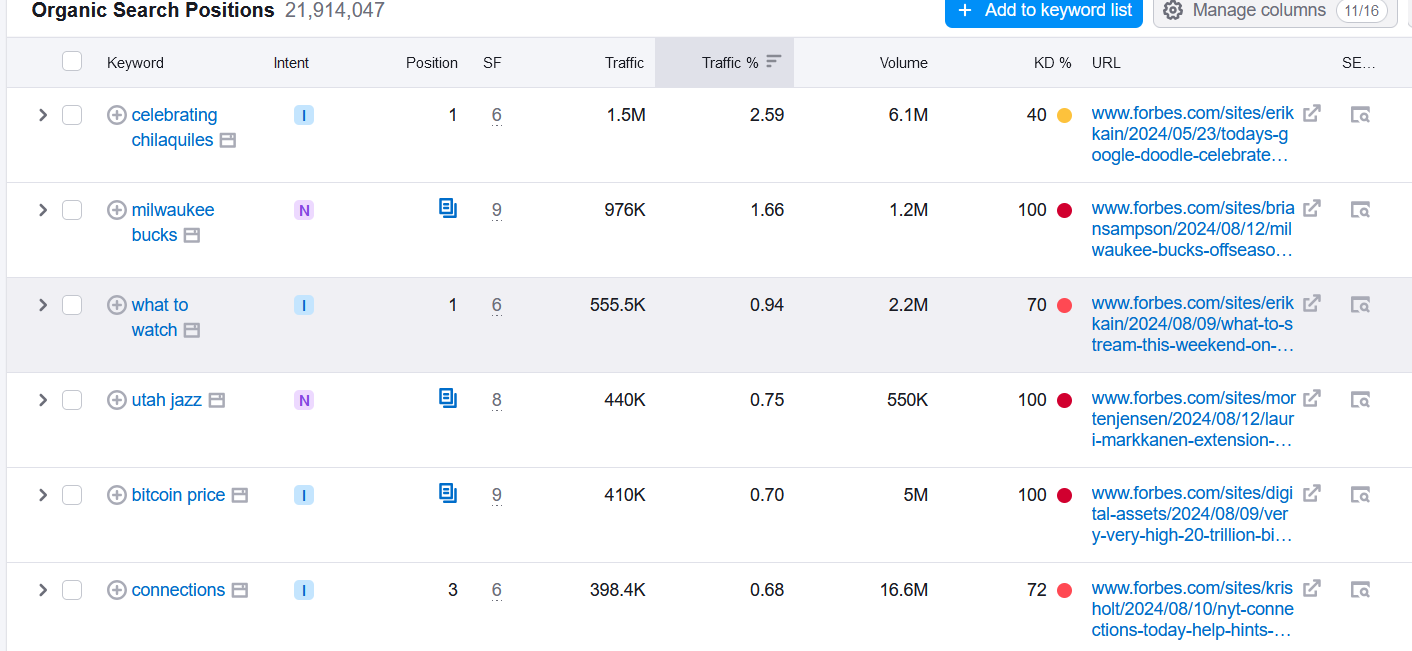
Once you finalize the keywords you can use in the articles with good keyword ratios in different factors check out this reference.
These methods will help you search for keywords to create new articles, optimizing for keyword variations, keyword density, and search intent to effectively reach your target audience.
Here are some easy steps to work for:
1. Using Search Operators:
Google provides more focused results when you use search operators to find exact details with various variations.
For example:
Site: forbes.com “business”
Site:forbes.com intitle: finance 2024
2. Searching via the Website's Search Bar:
Many websites feature a search box, which can be helpful whether you find it in the header/navigation menu or as a magnifying glass icon. For instance, if you search for "best finance tips," the search bar will show relevant topics.
For example, if you find like best finance tips it shows you the relevant topics;
3. Using the Browser's Find Function:
You can use the browser's Find function if you're looking for articles related to startups, including their parameters, investments, and other factors. This will highlight all instances of the keyword you search for on the page.
The browser will highlight all the keywords you search like:
4. Finding Keywords via Page Source:
You can access hidden HTML sources by right-clicking on a webpage and selecting "View Page Source." This will redirect you to the HTML source code, where you can find meta descriptions, meta titles, and other relevant details about the page.
SEO tools are crucial for analyzing competitors and identifying keywords if you are unsure about the topics or specific keywords to target. These tools help you understand how competitors reach their audience and assist in keyword selection.
For example, you can use the SEMrush Tool to identify keywords that your competitors rank for. Once you finalize your keywords, you can incorporate them into your articles with the appropriate keyword density and variations.
These methods will help you search for keywords to create new articles, optimizing for keyword variations, keyword density, and search intent to effectively reach your target audience.