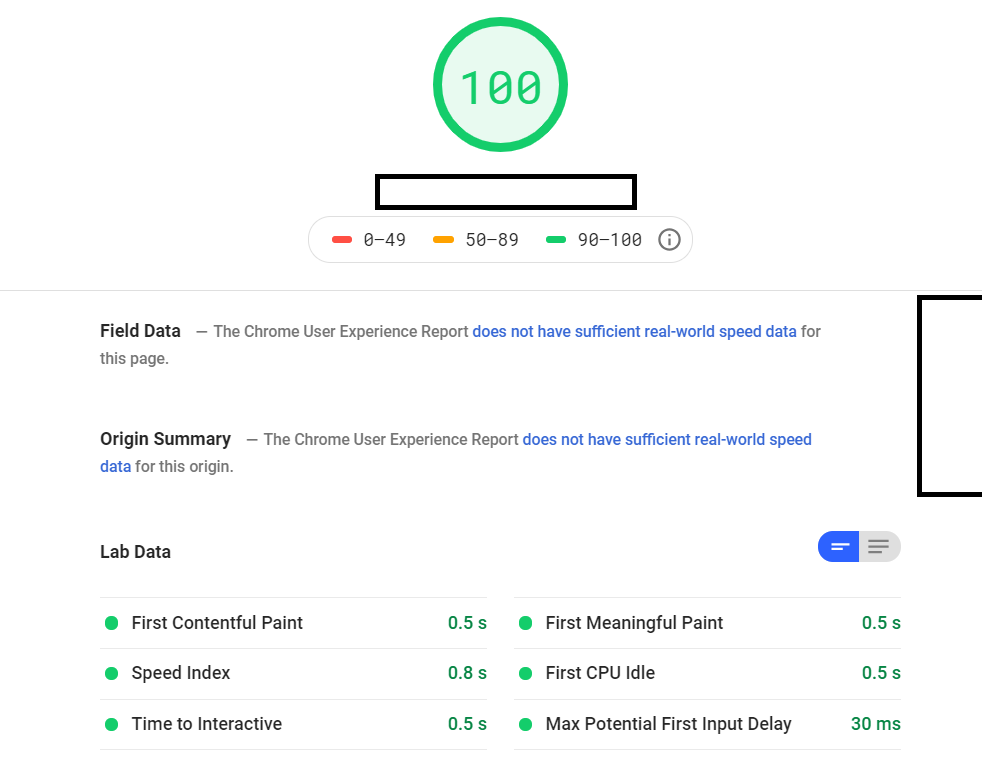
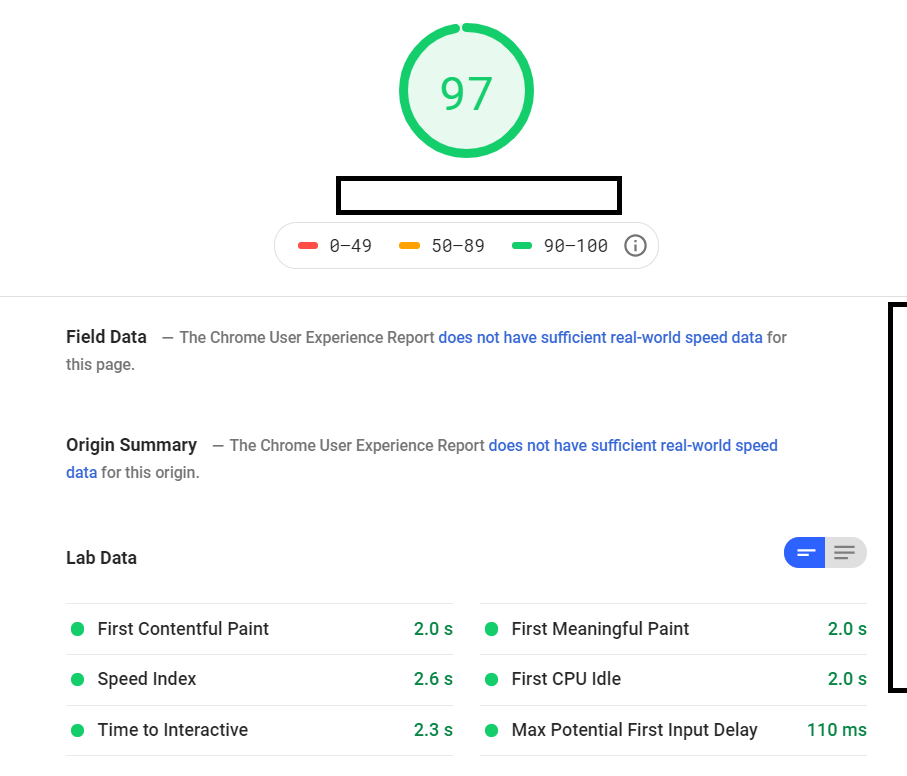
If I didn't know anything about dev work I'd pay a fullstack dev to make a basic site with a headless CMS delivery system and easily customized branding (logo, icons, fonts, colors) and a couple of different layout options that I could use depending on the project I'm working on. Sooo worth the money for the SEO benefits. However, with wordpress, the best you can do is :
- Use an optimized theme designed around page speed (don't care how entrenched you are with your current, you can't make a duck meow. Want page speed, use a fast theme)
- - do not ever use a visual builder it is total trash and will tank your page load
- - do not trust a theme which supports a built-in visual builder as it is trash and will tank your page load
- - be careful of themeforest themes as most are trash and will tank your page load (bloat bloat bloat think wordpress summarized in a theme)
- Minimize use of plugins to the absolute essentials. Yes, there is a plugin for everything and every plugin you add will make your site slower and expose you to another potential vulnerability. Anything that can go in functions.php should. Contact plugin developers to see if they are willing to custom code solutions for a small fee based on their existing plugin. Better yet pay someone on upwork.
- Hardcode where appropriate (faux pas for devs for some boring reasons but the existence of wordpress is a faux pas so who cares)
- Limit use of off-site resources as anything hosted off-site can slow page load as you wait for it to be fetched
- biggest offender for this is off-site fonts,js, and analytics. Host your own everything. Build your own fontpacks, don't import from google fonts, and host your own analytics/js/everything. Limit your font use in general, but repeat do not drop in Google Fonts and call it a day! Bad
- Use CDNs! Use CDNs! Everything
- Use better hosting (shared to vps)
- Make use of caching (WP rocket > w3 total cache)
- Make sure the proper cache control headers are sent, caching is useless if it's not happening reliably.
- Compress and optimize images
- lazy load for those images
- combine and minify everything (html,js,css)
- css above the fold (see critical path css, little known and really cool tbh something i learned recently)
- stop putting JS in your head, it should be the last thing before the closing </body> tag (so in your footer.php. there are plugins for this but duh that's shooting yourself in the foot to cover up a bruise)
- Make use of smart design decisions like sprite sheets
- self host analytics (and this is controversial but the least analytics you can get away with the better. heatmaps are cool, but will destroy your pageload. you know what I like about not using wordpress? being able to afford good analytics without being a fatty mcfatface page load)
This is a really basic list and all I can think about right now, but all of these are essentially designed with two purposes in mind : reducing the number of requests to a server and speeding up any slow requests. Your website is rendered linearly (this isn't a necessity but is the default), and any slow request (or worse, errors) will hold up the rest of the site from being rendered.
All that being said I do not recommend wordpress for anyone when there are waaaay better options out there these days and it's like walking around with a peg leg. You can paint it any way you like, but you're still hobbling along crippled!
this post is kinda useless i was on mobile and didn't read all the replies before but most of this was already covered. oh well. friends don't let friends wordpress