D
Deleted member 999516
Guest
Hello everyone,
I’d like to make some friends on this forum. I’ve been registered for a long time, but I haven’t been active until now.
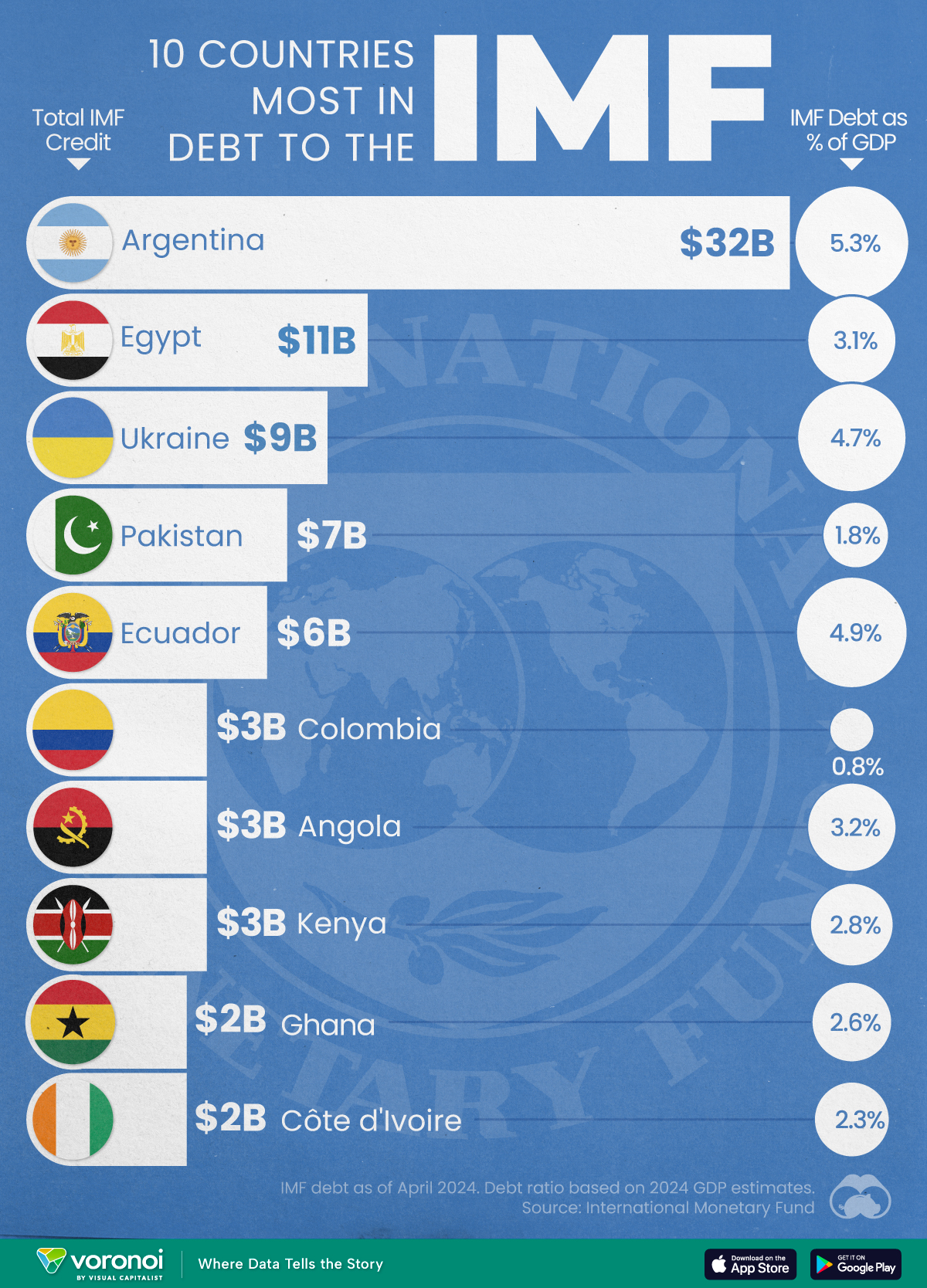
I work in the gray but non-harmful processing of card payments. For the past three years, I’ve been involved in arbitrage of parallel exchange rates in “problematic” countries such as Argentina, Bolivia, Ukraine, and Egypt.
At the moment, this opportunity is primarily relevant for Bolivia, but even there, this source is nearing its end due to banking restrictions. I’d like to publish a series of articles written from my personal perspective: explaining what this is, where the profitability comes from, and how to find and work with people in this niche.
I’ll start with Bolivia since it’s the freshest and still active example. To make the information easier to digest, I plan to break it down into separate posts. Some details will be omitted to avoid turning this into a full-length book.
Let’s talk about what it takes to get started. Several factors must align, and nowadays, such countries are rare and almost a luxury.
A parallel exchange rate emerges due to internal circumstances in a country where the demand for foreign currency rises relative to local currency, but supply is limited. This creates a parallel market. If a country cannot "put out the fire," there are typically two choices:
There are numerous other details to consider, such as:
In this topic, I’ll delve into the operational details of working in Bolivia:
This introduction sets the stage. Stay tuned for updates!


I’d like to make some friends on this forum. I’ve been registered for a long time, but I haven’t been active until now.
I work in the gray but non-harmful processing of card payments. For the past three years, I’ve been involved in arbitrage of parallel exchange rates in “problematic” countries such as Argentina, Bolivia, Ukraine, and Egypt.
At the moment, this opportunity is primarily relevant for Bolivia, but even there, this source is nearing its end due to banking restrictions. I’d like to publish a series of articles written from my personal perspective: explaining what this is, where the profitability comes from, and how to find and work with people in this niche.
I’ll start with Bolivia since it’s the freshest and still active example. To make the information easier to digest, I plan to break it down into separate posts. Some details will be omitted to avoid turning this into a full-length book.
Let’s talk about what it takes to get started. Several factors must align, and nowadays, such countries are rare and almost a luxury.
Parallel Exchange Rate
A parallel exchange rate emerges due to internal circumstances in a country where the demand for foreign currency rises relative to local currency, but supply is limited. This creates a parallel market. If a country cannot "put out the fire," there are typically two choices:
- Allow the local currency to freefall, often causing panic in currency markets and among the population.
- Establish strict FX controls to regulate the flow of foreign currency within the country.
Banking Restrictions
Higher limits simplify the work and reduce the number of people required. For example, it’s manageable to work with card payment limits of $200–300 USD per month. However, as I write this, international card purchase limits in Bolivia range between $30–100 USD.There are numerous other details to consider, such as:
- How quickly banks shut down MIDs.
- How willing they are to release foreign currency during tough times.
- How difficult it is to obtain debit or credit cards locally.
Trained and Motivated Locals
Transactions must be carried out using local bank cards. The goal is to make a transaction from a local bank card, top it up at an inflated internal exchange rate, and then make a purchase (transaction) at a rate closer to the official one. Access to such cards is available only to the local people. OTC platforms will be expensive and will only create problems.Operational Tools
Transactions need to be processed reliably and without headaches. We use a popular payment solution in the U.S., though it’s not Stripe. It offers unique billing names, MIDs, and, importantly, a neutral MCC code that banks don’t classify as quasi-cash.In this topic, I’ll delve into the operational details of working in Bolivia:
- How the parallel exchange rate emerged (favorable environment).
- Banking restrictions.
- Features of working with locals who conduct transactions.
- The tools used to process everything.
This introduction sets the stage. Stay tuned for updates!