

- Nov 29, 2022
- 2,481
- 284

In 2025, SEO is no longer limited to search engine optimization for Google or other traditional platforms. The field has fragmented into several distinct segments, each evolving under its own rules and requiring a unique approach.
One of the most promising directions is Answer Engine Optimization (AEO) — the practice of tailoring content so that it appears directly in ready-made answers generated by search and AI-driven platforms. This article explains how it works and provides practical recommendations for achieving top-level visibility.
The Mechanics of Answer Engine Optimization
Back in the 2000s, ranking at the top of search results was relatively easy: overload a page with keywords, add backlinks with strong PageRank, and traffic would flow.Today, optimization requires a multi-layered strategy. Modern algorithms can interpret context, user intent, and content quality. Simply filling pages with keywords or buying backlinks no longer works — authority, usefulness, and originality have become the cornerstones.
Answer Engine Optimization (AEO) focuses on placing content within featured answer blocks — often referred to as zero position results. Unlike traditional SEO, which aims to reach the top 10 organic results, AEO’s goal is to ensure that content is quoted or displayed in AI-generated short answers that users see before clicking through to any website.

AEO also extends to voice assistants, which rely on AI-driven overviews. The objective is to provide the user with a precise answer without requiring further navigation.
While SEO and AEO share the ultimate aim of increasing content visibility, their methods differ significantly. SEO emphasizes keyword targeting and page promotion within search rankings, while AEO prioritizes concise, accurate, and authoritative answers used directly by search engines and AI platforms.
Practical Recommendations for AEO
By optimizing content for AI-generated answers, websites can generate traffic in a semi-passive mode. If a website consistently appears in zero position results, it strengthens brand recognition and increases referral traffic.It is important to remember that competition in this area is dynamic. Algorithms continually reassess relevance and can replace one site with another in answer blocks.
Key recommendations for working with AEO include:
- Analyze popular user queries. Identify the most common questions in your niche and create precise, relevant answers tailored to audience needs.
- Structure content for featured snippets and AI overviews. Use lists, tables, and short paragraphs that algorithms can easily highlight.
- Adapt content for voice search. Provide concise, conversational answers that voice assistants can process effectively.
- Implement structured data and microformatting. This improves the way algorithms interpret and display your content.
- Keep content updated. Freshness is critical for search engines and AI platforms. Regular updates maintain high relevance and increase the likelihood of being selected for ready-made answers.
Tools and Technical Considerations
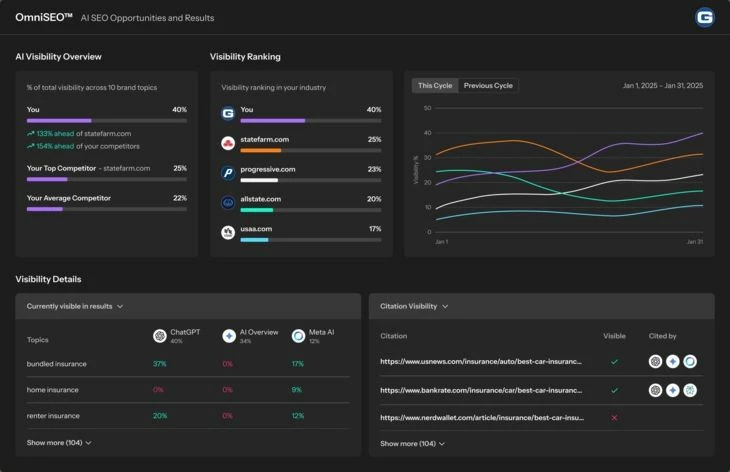
Free tools can help track a website’s performance within AI-driven overviews and compare results with competitors.For optimization, modules that provide advanced indexing and automatic content updates allow websites to test queries, identify paragraphs that trigger answer selection, and reduce content cannibalization. Adding metadata tags and checking whether pages are indexed within major datasets also improves alignment with AI-driven indexing systems.

