

uristjack
Junior Member
- Feb 26, 2015
- 169
- 98
Selling with the Seven Sins!
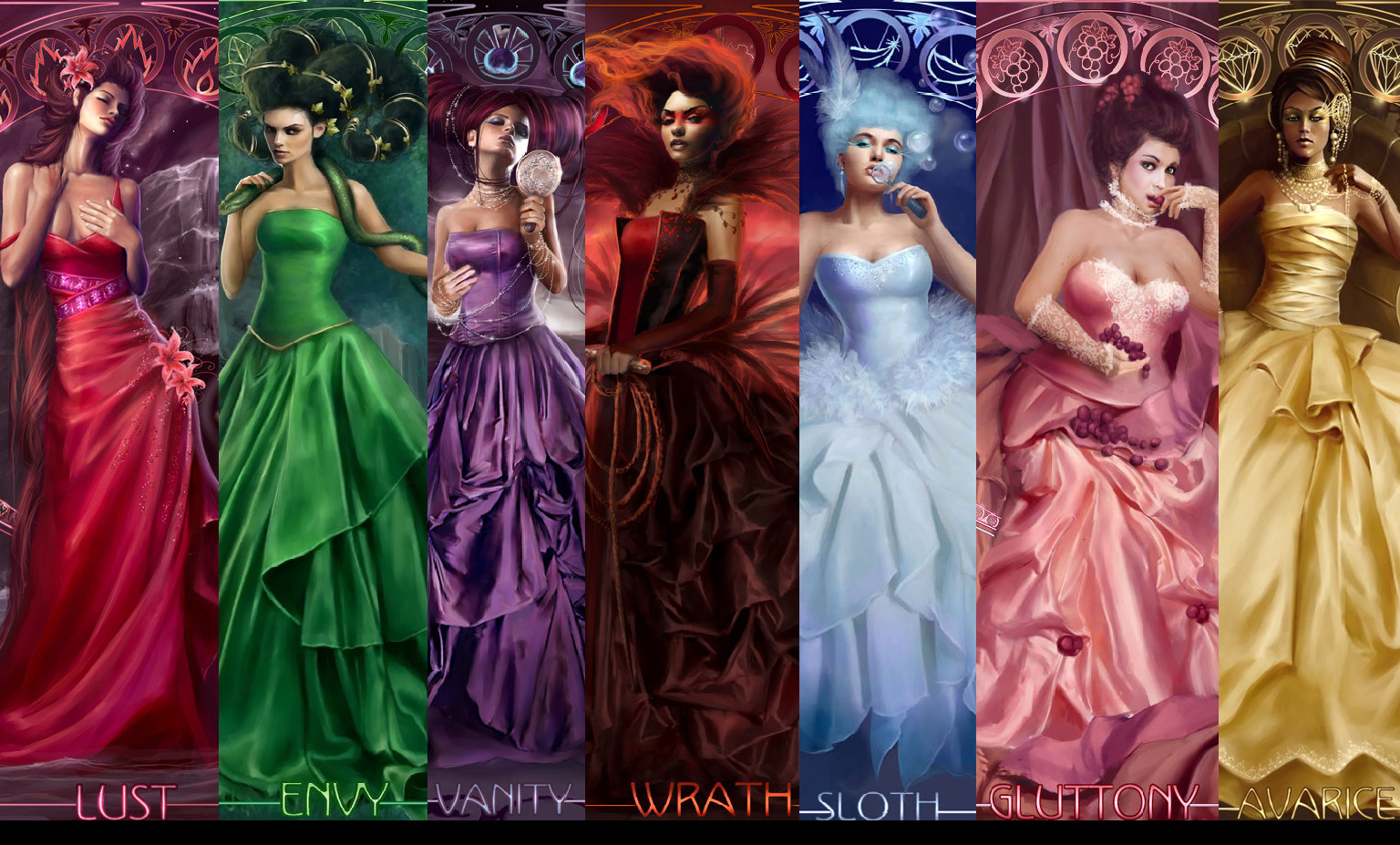
So, for all of you who were raised Catholic (or who are currently), you'll be well aware of the so-called seven sins.
For those of you who weren't, the seven sins are a set of unholy behaviours which get punished by divine authority. They are:
- Lust
- Envy
- Pride / Vanity
- Wrath
- Sloth
- Gluttony
- Greed / Avarice
What's especially interesting about the seven sins, is that if we look at them from a psychological perspective, is that they are based upon behaviours which us humans are practically addicted to. If we indulge in them too much, they are self-destructive, because they hook right into our pleasure centers.
Therefore, if you're selling, you sell with these! You can use them as psychological triggers, especially when combined with your other copywriting knowledge and frameworks.
Lust
Lust is an extremely useful psychological trigger. Hell, there's even the whole cliche about how "Sex sells."
Most of you know how to use it in your marketing, but for any new guys here, it's simple. Add sexual tension and emotion to your product, and you've successfully tapped into the power of lust. Sports car manufacturers do this very well - they emphasize how sleek and sexy their cars are, engaging this emotion.
To do this, rather than write copy, it is far more advantageous to use visual imagery. Sexual attraction is a very visual thing, and so you're going to want chicks in bikinis, or in some other way suggest pleasure.
Envy
Envy is usually targeted by the cosmetics industry - fashion, makeup, jewelry etc. To target envy, you need to evoke your readers' imagination. Ensure that they feel enough envy to become motivated to buy your product (to become better). One area where we see envy used most often in the IM world is ORM, and SEO. By explaining to your prospects the ways in which they need ORM and SEO for their businesses, you're selling FOMO - the fear of missing out, which is the basis of envy.
When targeting envy, use your copywriting to create FOMO, and ensure that your consumer is afraid of the consequences should they not buy your product.
Pride / Vanity
Pride is also targeted by the cosmetics industry, quite obviously. In the internet marketing realm, however, pride tends to be more subtle. Usually you can use it in order to reassure your customers that they "made the right choice" by buying your product. Essentially, weaving the use of pride into your copywriting involves reassurances and encouragements which positively praise people.
The buzzword of pride is ego. Flatter them (subtly, mind you - obvious flattery tends to fail quite miserably), soothe their ego, make them feel just that little bit better, more powerful. That feeling of power leads to positive connotations of your product, aiding your sale.
Wrath
Wrath is generally the least-used psychological trigger of the seven, and with good reason. By using wrath, which is a negative emotion (as compared to the other 6, which are merely over-indulgences of positive emotions), you can run the risk of attaching a negative connotation to your product.
One way where wrath can be used effectively, however, is when referring to other products. If you are aiming to create a guru-like image, wrath can be quite effective. By channeling anger, you can sympathize with your prospect.
An (intentionally shitty) example: "Don't you just hate when you keep looking and looking for reliable information, but the only thing out there are gurus trying to get rich off you? I've been there. Buy now for $66.60 only!"
Wrath is therefore best used when referring to other products, creating a catharsis of sorts - building up tension and then relieving it with the sale of your product.
Sloth
Sloth is another emotion used by "get-rich-quick" promoters and gurus. Hell, pretty much the entirety of the "make money online" crowd sells this (no offense to anyone, I hope). You can see examples of this when people say things like "Automated system", or "recurring income".
When targeting sloth, ensure that your copywriting suggests a simple task, free from hard work, automated, the whole shebang. People are always looking for shortcuts. What you have to do is give that to them.
Gluttony
Gluttony is a tricky one. Generally it doesn't apply to copywriting. Usually, in this case, it is used by fast food restaurants, intended to get you to buy more than you need.
However, gluttony is useful in content marketing. In content marketing, gluttony refers to the nature of users to constantly want more and more and more info, in small chunks. By creating infographics and using other similarly small bites of information, you can encourage viewers to become consumers, by appealing to their never-ending sense of information gluttony.
Greed / Avarice
This is the one that you should all be most experienced in - after all, we are on a internet marketing / SEO forum. Everyone (and I do mean EVERYONE) wants more. Using greed in your copywriting is about doing this.
Need some examples? Easy. Look at the titles of tutorials given by people like KraftyKyle, Leith, lightningblitz, and t0mmy. These guys are fantastic at creating titles which appeal to your greed.
When you're writing this one, use some creativity, some imagination. Ideally you want to engender this fantasy of abundance and wealth in your customers.
Conclusion
The seven sins is a useful framework to aid in copywriting, and in selling products. Usually I do it by trying to hit at least four of them at the same time - that way my content is more compelling to my consumers. A quick summary of the seven sins is below.Lust - "An intense desire, related to the pleasures of the body."
Envy - "Desire for other's traits, status, situation, or abilities."
Pride / Vanity - "Excessive belief in one's self or abilities."
Wrath - "Strong anger."
Sloth - "Intense laziness."
Gluttony - "Desire to consume more than one needs."
Greed / Avarice - "Desire for material wealth."
Last edited:


