
Guest blogging, when done right, can be a powerful marketing tool. It can increase your website’s organic traffic and improve your business’s credibility.
However, with millions of articles flooding every niche on the internet daily, it’s not easy to stand out. Creating unique blog posts that your audience will click on can be tricky, thus guest blogging is a good way to keep fresh and engaging content coming to your blog.
What Is Guest Blogging?
Guest blogging refers to the practice of writers from one company or freelancers creating and publishing content on the websites of a different company.
Blogs that accept or offer guest posts usually feature the author’s bio and credentials and highlight that the post has been submitted by a contributor.
The rewards for writing a guest article differ from one author to another. Some writers might ask for monetary compensation for the content they’ve created, while others are okay with having a link directed to their website or social media page.
This depends largely on the reputation and expertise of the blogger and those of the website they’d like to be featured on.
If the writer is a known expert in the industry with high authority, it is more likely that they will ask for payment for the efforts they’ll put into writing the article. However, the most significant benefit for the author comes from the organic traffic that gets directed back to their own website.
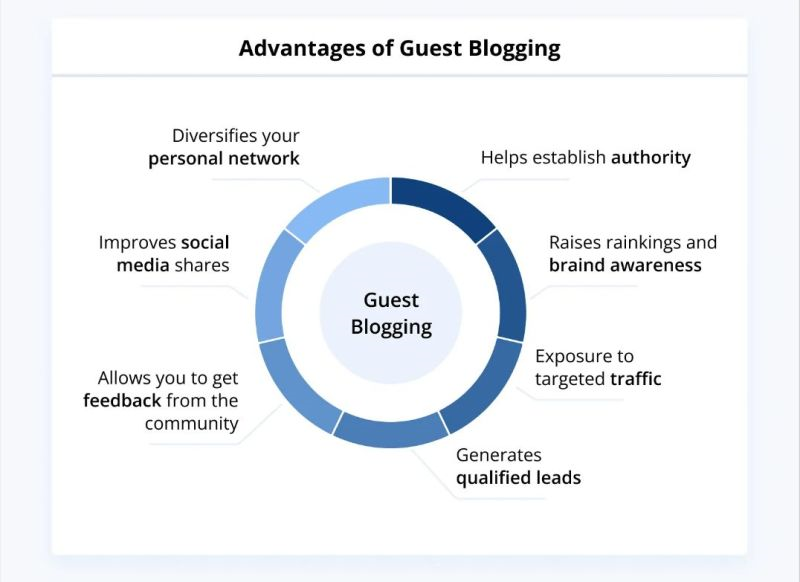
By being associated with high-authority websites, the guest blogger makes their name known in the industry and can improve their own channels’ reputation and ranking.
However, with millions of articles flooding every niche on the internet daily, it’s not easy to stand out. Creating unique blog posts that your audience will click on can be tricky, thus guest blogging is a good way to keep fresh and engaging content coming to your blog.
What Is Guest Blogging?
Guest blogging refers to the practice of writers from one company or freelancers creating and publishing content on the websites of a different company.
Blogs that accept or offer guest posts usually feature the author’s bio and credentials and highlight that the post has been submitted by a contributor.
The rewards for writing a guest article differ from one author to another. Some writers might ask for monetary compensation for the content they’ve created, while others are okay with having a link directed to their website or social media page.
This depends largely on the reputation and expertise of the blogger and those of the website they’d like to be featured on.
If the writer is a known expert in the industry with high authority, it is more likely that they will ask for payment for the efforts they’ll put into writing the article. However, the most significant benefit for the author comes from the organic traffic that gets directed back to their own website.
By being associated with high-authority websites, the guest blogger makes their name known in the industry and can improve their own channels’ reputation and ranking.


