
TheVigilante
Banned - Multiple Rules Violations
- Aug 31, 2010
- 14,993
- 16,105
Numbers aren't what they seem to be. When you retrace the steps of how we learned numbers, you find that certain factors created a distorted perception in our brain.
Which number do you prefer: 60 or 61?
Turns out, lonely people prefer divisible numbers (e.g., 60) in many situations. Prices. Product dimensions.
It sounds bizarre, but here’s the reason: Your brain uses sensory connectivity to understand abstract ideas, like sociality and numbers.
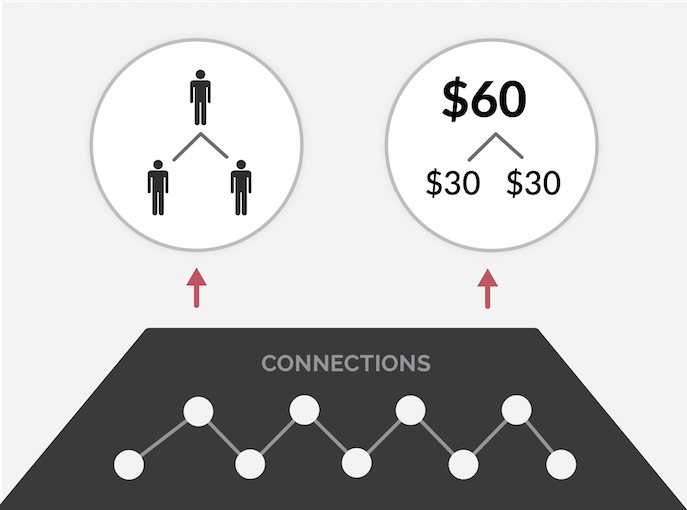
Many ideas are infused with the same framework of connectivity. Today, if you desire social connectivity, your brain will desire any connectivity (e.g., numbers).
In the below video, Nick Kolenda argues that sensory concepts constructed our understanding of numbers.
Which number do you prefer: 60 or 61?
Turns out, lonely people prefer divisible numbers (e.g., 60) in many situations. Prices. Product dimensions.
It sounds bizarre, but here’s the reason: Your brain uses sensory connectivity to understand abstract ideas, like sociality and numbers.
Many ideas are infused with the same framework of connectivity. Today, if you desire social connectivity, your brain will desire any connectivity (e.g., numbers).
In the below video, Nick Kolenda argues that sensory concepts constructed our understanding of numbers.