
You are using an out of date browser. It may not display this or other websites correctly.
You should upgrade or use an alternative browser.
You should upgrade or use an alternative browser.
Seo Case Study - Chrome Bookmarks
- Thread starter rhapso
- Start date


whiteblackseo
Elite Member
- Apr 11, 2015
- 2,995
- 1,162
hmn....whatever Bookmarked.

mainceaft
Senior Member
- Apr 10, 2013
- 881
- 184
it's still #11 for meUPDATE
WOW !!! moved from #10 to #7, i think we found it, wait and see next moves
UPDATE
WOW !!! moved from #10 to #7, i think we found it, wait and see next moves
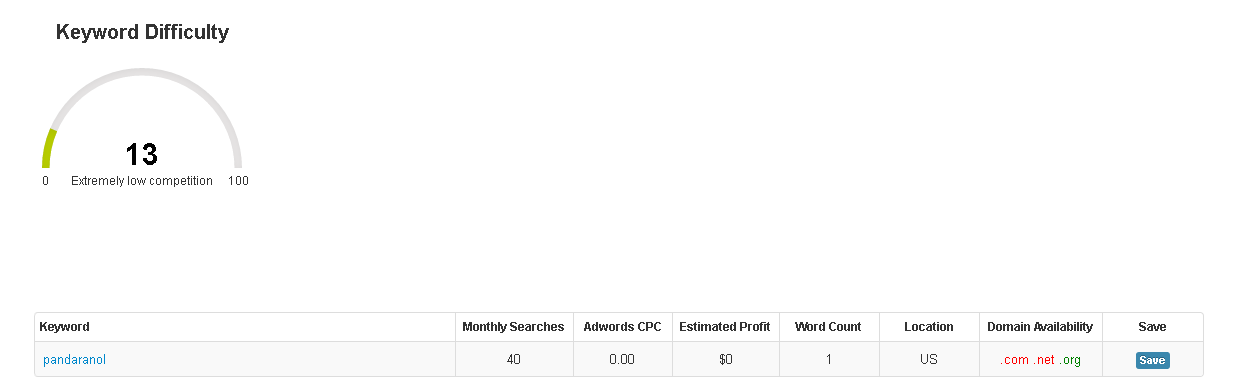
Wooooo hooooooo a website that has 0 traffic has moved three places for a keyword that has 70 search terms world wide.

Wilson Grant Fisk
Elite Member
- Nov 10, 2012
- 15,677
- 46,846
Hello
As you probably know, the chrome browser constantly send to google servers a lot of data about your browsing (pages visited, links clicked, website bookmarked ...) that google can most probably use in her algorithm.
what I suggest you is to test whether the chrome bookmarks is taken into consideration in the Google algorithm.
With your help it will be very easy to do:
We will use the keyword "pandaranol" which has been used in 2011 in a french seo competition.
What you have to do is to visit the website alexaloola.fr with your chrome browser and to add it to your bookmarks (ctrl+d).
The website is actualy in the 10th position, lets see if after your bookmarks it will move to higher position.
VERY IMPORTANT : As everybody knows, the click through rate in serps is actualy the most important Ranking Factor. so please dont click on any website in the google search results, it will distort our test.
"pandaranol" ?

"pandaranol" ?
pandaranol doesn't mean anything, this keyword was used for a seo competition
The problem is though, we have no way of verifying that the reason for the move is actually caused by the bookmarking.
How do we know nobody clicked in the SERPS causing the CTR to jump? And I think we all agree CTR has a big influence.
i agree with you thats why i warned about that.

Here is the thing... even IF bookmarking in Chrome while logged into Google services had an effect I see ZERO way to scale this into a blackhat ranking scheme. Especially if proxies stop it.
scaling it to a blackhat technique is another question, I thought about :
- a fake content locker forcing the visitor to bookmark like "Press Ctrl+D to remove this popup"
- simply tell your visitors to bookmark your website
- a more advanced technique that will use a windows macro and a botnet (only for elites blackhaters)
now the only thing that we study is YES or NOT chrome bookmarks is a ranking factors, i think that knowing this information is a good beginning

Seo Engineer
Newbie
- Jul 29, 2016
- 9
- 0
UPDATE
WOW !!! moved from #10 to #7, i think we found it, wait and see next moves
Hi rhapso, what was the conclusion about this experiment?

DigitalCon
Power Member
- Jul 27, 2014
- 538
- 99
Hi rhapso, what was the conclusion about this experiment?
You just woke up a dragon sleeping for an year.
The case study was useless considering the number of searches per month it has. A piece on content with proper titles and tags should rank it. No need to look for other signals here.
Seo Engineer
Newbie
- Jul 29, 2016
- 9
- 0
You just woke up a dragon sleeping for an year.
The case study was useless considering the number of searches per month it has. A piece on content with proper titles and tags should rank it. No need to look for other signals here.
Sorry but I disagree. We are not trying to know how powerfull is the technique; we are trying to know if this technique is a ranking factor or not. So, the best place to test is just on poor keywords, because the chance of external interferences is minimal.
DigitalCon
Power Member
- Jul 27, 2014
- 538
- 99
Sorry but I disagree. We are not trying to know how powerfull is the technique; we are trying to know if this technique is a ranking factor or not. So, the best place to test is just on poor keywords, because the chance of external interferences is minimal.
Sorry but obviously the best is not to have a poor keyword for test because contrary to your perception it will have the maximum chances of interference.
Let me give you an example. Do a google search for seo case study chrome bookmarks, you will find this thread ranking on the first page. Why?
Because no body else is competing for this keyword and its more than enough for the thread to have a title that matches the search query for it to rank.
You make a little change to the search query and google seo case study chrome and you wont find the thead on the first page.
Now, apparently an exact title match and few phrases of keywords in content are enough to influence the rankings of a very poor keyword.
When we do a case study to find out whether something affects the search rankings, we assume (or rather make sure) that other factors remain constant or rather too unimportant to affect the rankings.
In this case even a slight mention of the website in question can cause it to jump a few places. Even more traction to a thread with the website mentioned can cause rankings to jump a few places. It renders the case study completely useless. You can't ever be sure what really caused the ranking to jump.
Sorry for my Egnilsh.
Seo Engineer
Newbie
- Jul 29, 2016
- 9
- 0
Sorry but obviously the best is not to have a poor keyword for test because contrary to your perception it will have the maximum chances of interference.
Let me give you an example. Do a google search for seo case study chrome bookmarks, you will find this thread ranking on the first page. Why?
Because no body else is competing for this keyword and its more than enough for the thread to have a title that matches the search query for it to rank.
You make a little change to the search query and google seo case study chrome and you wont find the thead on the first page.
Now, apparently an exact title match and few phrases of keywords in content are enough to influence the rankings of a very poor keyword.
When we do a case study to find out whether something affects the search rankings, we assume (or rather make sure) that other factors remain constant or rather too unimportant to affect the rankings.
In this case even a slight mention of the website in question can cause it to jump a few places. Even more traction to a thread with the website mentioned can cause rankings to jump a few places. It renders the case study completely useless. You can't ever be sure what really caused the ranking to jump.
Sorry for my Egnilsh.
Yes, but the assumption was that no one entered the site. To mention a brand name without any backlink is not a ranking factor I think. The CTR or traffic can be, but it would be a temporary ranking factor. Keeping bookmarks added would stabilize the position along the time.
Certainly few bookmarks cannot be strong enough to move a site in a good niche. We would need much more people. And the result would also be questionable, because the site may have received more visits, social signals, updates, links....during the test, which would influence the result.

markantos
Junior Member
- Sep 4, 2015
- 163
- 43
Your English was great and your reasoning was solid. The OP can't even tell us how many people bookmarked the page in order to make an informed decision.
Sorry but obviously the best is not to have a poor keyword for test because contrary to your perception it will have the maximum chances of interference.
Let me give you an example. Do a google search for seo case study chrome bookmarks, you will find this thread ranking on the first page. Why?
Because no body else is competing for this keyword and its more than enough for the thread to have a title that matches the search query for it to rank.
You make a little change to the search query and google seo case study chrome and you wont find the thead on the first page.
Now, apparently an exact title match and few phrases of keywords in content are enough to influence the rankings of a very poor keyword.
When we do a case study to find out whether something affects the search rankings, we assume (or rather make sure) that other factors remain constant or rather too unimportant to affect the rankings.
In this case even a slight mention of the website in question can cause it to jump a few places. Even more traction to a thread with the website mentioned can cause rankings to jump a few places. It renders the case study completely useless. You can't ever be sure what really caused the ranking to jump.
Sorry for my Egnilsh.