What pride? I didn't say anything about myself.
I just asked for a source, because it's a highly unusual statement and it's just going to create complete confusion for people learning SEO.
If someone new to SEO reads that and starts adding up keyword densities including synonyms and near-synonyms then they're not going to get anywhere and be really confused as to why they're not ranking.
Even keyword density is really not something that's important these days. It was still somewhat important for longer tail keywords up until about 2021, but even then I regularly see longtails for local business sites ranking with just 1 mention of the main keyword, and others, for the same SERP having 14-15 mentions.
And the reason for that is because google isn't just viewing your page as a simple, separate entity. If you have 50 articles on your site talking about different aspects of the topic contract law, then you'll more easily rank a service page like "contract lawyer in Texas". You could get away with just 1 or 2 mentions of it, because google already considers you topically authoritative in contract law.
A site that's either got no other pages about contract law, or is very small will struggle with that. This is based on real experience of seeing countless, 100's over the past year, and 1000's over the past 5 years client sites. Analyzing the SERPs to understand what someone needs to rank. This isn't hubris. It's just plain old repetitive experience.
Beyond that, what google is looking for on the page is based on the machine learning's understanding of what a user will want. They do look for certain things like tables, images and videos. You'll often see a lot of similarities in page 1 results. Especially compared with page 2, which are usually lacking something the page 1's have.
If your page is structured wrong, it can really affect things. Sometimes they want to see some sort of form near the top, or a table of information, or they like a shorter page with less text, or they want more text.
Finally the thing they're looking for is topical entities on the page. You can't just plaster keywords on. You need to actually cover the topic. This means they're looking for all the entities within the paragraphs that are known to be related.
Ie, if I have a section
SEO Basics
there are certain things google will expect. You can generally guess them, and any decent writer is going to cover them if the text is good. But those things might need mentions of "headers", "keywords", "html", "content", "traffic". It's actually quite a broad entity. If you google "seo basics" and check some pages in the top 5 you'll see the kind of topics within it.
In the past you could have written about fish soup, and just included "seo basics", "learn seo", "seo fundamentals" in your text about fish soup, and you'd gain relevancy.
Now, it's much better at actually understanding context, so you can't just slap keywords in a paragraph of unrelated text. It can work out the topical entities of a text and very accurately classify a piece of text. Because it can easily classify a piece of text, it understands all the connections because of its knowledge graph, which is a graph database of all the entities in existence and how they connect.
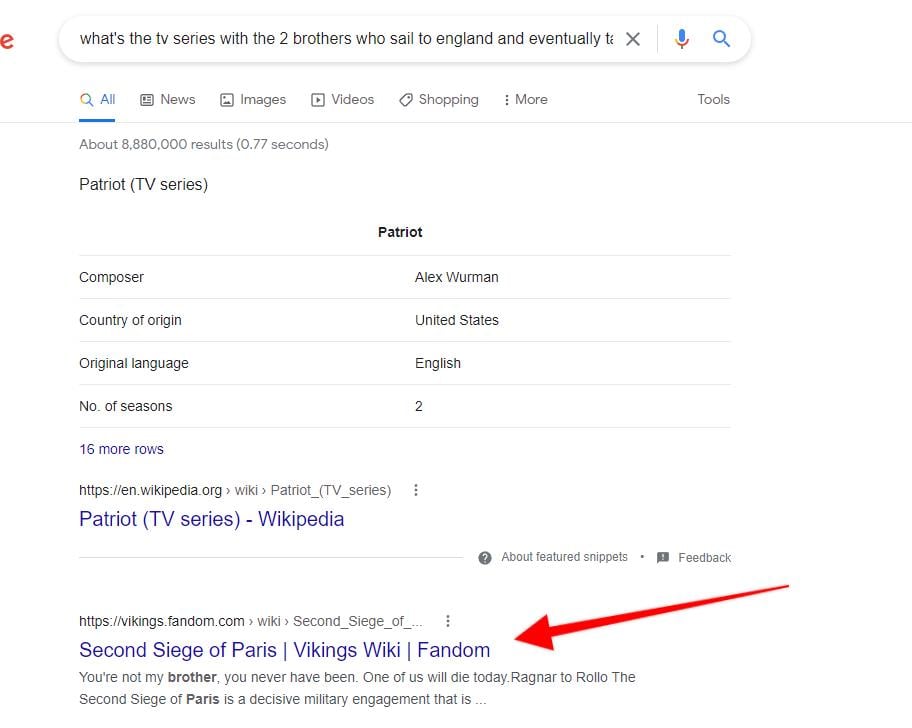
It's actually quite an involved and complicated topic these days, and that's why a statement about keyword density, including related keywords just doesn't make sense. Google showing related keywords in bold in the SERPs doesn't mean it's ranking pages based on a combined keyword density

You see? Already you've got people now asking what the "correct" keyword density is for "X words". People will also naturally be attracted to these simplistic answers because it seems easier.