theusualkeysersoze
BANNED - Failed to resolve a dispute
- Oct 11, 2025
- 901
- 508
So I have built a Multilogin headful warmup bot and during testing, I have used various proxy providers and I have some very interesting findings.
the results are… mixed. Some things are bad, some things are surprisingly protective, and it even behaves like an accidental adblocker.
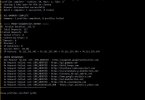
===== PROXY DIAGNOSTICS REPORT =====
Session Duration: 224.5s
Total Requests: 445
Failed Requests: 769
Socket Errors: 17
Connection Drops: 52
Timeouts: 1
Blocked: 29
IP Rotations: 0
Success Rate: -72.8%
IP History: 24.45.205.31 → 24.45.205.31 → 24.45.205.31 → 24.45.205.31 → 24.45.205.31
ERROR BREAKDOWN:
26x Request failed: net::ERR_ABORTED - https://pagead2.googlesyndication.com/pagead/gen_204?id=av-js&typ
26x Request failed: net::ERR_ABORTED - https://pagead2.googlesyndication.com/pagead/gen_204?id=av-js&typ
24x Request failed: net::ERR_ABORTED - https://pagead2.googlesyndication.com/pagead/gen_204?id=av-js&typ
21x Request failed: net::ERR_ABORTED - https://pagead2.googlesyndication.com/pagead/gen_204?id=av-js&typ
21x Request failed: net::ERR_ABORTED - https://pagead2.googlesyndication.com/pagead/gen_204?id=av-js&typ
16x Request failed: net::ERR_ABORTED - https://pagead2.googlesyndication.com/pagead/gen_204?id=av-js&typ
16x Request failed: net::ERR_ABORTED - https://pagead2.googlesyndication.com/pagead/gen_204?id=av-js&typ
8x Request failed: net::ERR_ABORTED - https://1909c31e298abff981226ff475bc52cf.safeframe.googlesyndicat
6x Request failed: net::ERR_ABORTED - https://pagead2.googlesyndication.com/pagead/gen_204?id=av-js&typ
6x Request failed: net::ERR_ABORTED - https://cdn.segment.com/analytics.js/v1/null/analytics.min.js
=====================================
Looks bad at first sight, yes? I thought so too, but then I looked closer.
Many net::ERR_ABORTED errors come from Google endpoints (pagead2.googlesyndication.com, Safeframe, Segment). QUIC/HTTP3 blocked at the browser layer , the requests fail without leaking your real IP(more on this later). Acts like a network-layer adblocker: tracking and ad scripts rarely load(!!!)
Sticky IP session works as intended:
IP did not rotate, providing consistent session behavior for testing or warmups
WebRTC masked to exit IP:
WebRTC still functions but reports the proxy exit IP instead of your real IP. Prevents direct IP leaks while keeping features like WebRTC intact.
Accidental adblocker effect:
Many connection drops and socket errors come from ad/tracking networks repeatedly polling after aborted requests
While the proxy is not perfectly stable, some failures are caused by aggressive retries from Google, LinkedIn, Segment, etc.
Socket errors (17) and connection drops (52) indicate some real TCP instability
Other endpoints fail inconsistently:
Some custom endpoints experienced aborted requests unrelated to QUIC. Could break warmup scripts, automation, or analytics tests
If this were an HTTP proxy, the QUIC/HTTP3 aborts wouldn’t just fail, they would have leaked your real IP repeatedly.
In short: it would have been more leaky than the Titanic, the Hindenburg, and a sieve combined. SOCKS5, by contrast, tunnels TCP at a low level, so your real IP stays safely hidden, making it far more secure.
Now if you do not understand Quic and UDP and how they behave and what they might cause, just understand the following:
The request fails cleanly rather than revealing your real IP, which is a very real risk with Socks5 proxies, if not done right, your real IP is out at the first request, plain as that. This discovery is interesting because this literally works like an AD blocker and it never leaks my real IP, very important , since this is an automation.
Now the proxies, all of them, clean exit IPs or not, all of them have more or less bad connectivity, some because theyre part of botnets (Spamhaus reported for CSS or XBL are botnet IPs usually) , some because the proxies randomly go offine and some because some providers lie about sticky sessions.
But if this automation would have been done with an HTTP proxy, fasten your seat belts. For people who enjoy a more extensive read:
So all the Google QUIC traffic (UDP) that is cleanly blocked would instead:
HTTP proxy - QUIC “falls back” to direct host = IP leak.
My setup currently forces DNS over the SOCKS5 tunnel, so no DNS queries hit the local resolver. If this were an HTTP proxy:
DNS resolution would occur locally, not over the proxy
All domains visited = leaked to your ISP resolver or system resolver
Many CDNs (Akamai/Cloudflare/Fastly) do geolocation on DNS (mismatch instantly detectable)
Most browsers will do exactly that unless explicitly neutered. If your anti detect does not have that, if their support does not know what it is , they do not deserve your business.
analytics beacons
websocket upgrade attempts
CDP probes
attestation endpoints
ad scripts sending POST beacons
tracking pixels that “upgrade” to HTTPS
HTTP proxies often silently fall back = direct leak.
SOCKS5 tunnels everything at the TCP level aka no fallback possible.
Further.....
With HTTP proxies:
Chrome bypasses for non-HTTP schemes
Internal browser subsystems route around it
Extensions ignore it
Service-workers ignore it
WebRTC doesn’t care about it
The HTTP proxy is basically optional at best, harmful at worst.
With all this in mind, what is the marketing world take away? Here’s the uncomfortable truth nobody wants to say out loud:
If your proxy layer is leaking IPs long before your anti‑detect browser even boots, you’ve already lost the game.
Marketing cookies, retargeting pixels, tracking scripts, ad exchanges, and browser‑level telemetry operate far below the surface‑layer “fingerprint” stuff everyone obsesses over. These networks are interconnected, constantly polling, retrying, and syncing signals. If your proxy is unstable or improperly configured, your real IP will be exposed before your profile fingerprint ever matters, silently linking:
Remember that Google isn’t just “a website.” Google is the largest advertising network on the planet, the owner of Chrome, the controller of QUIC/HTTP3, and the operator of most of the tracking scripts loaded on every major website.
They absolutely know which proxy IPs you’re using and they absolutely score them.
They absolutely attach behavioral risk and reputation to them.
And we contaminate those IPs faster than proxy providers can buy or generate new ones. That’s how the pool dies. Everyone is asking which proxy provider is good instead of doing some reading, guess what, no proxy provider is good, theres only less bad aka longer sticky sessions and bigger pools with untouched IPs, you make of that what you will.
And it’s even worse when providers sell TTL 64 Android “residential” devices that are basically random IoT rubbish(half the time hacked smart fridges in , ahem, somewhere in Eastern Europe) and present them as premium mobile proxies. You're not Keyser Soze, you're riding behind a compromised washing machine owned by some elderly Russian woman who has no clue her appliance is now a “residential node” in someone’s proxy farm.
This is the real ongoing risk the community ignores.
If your proxy layer is weak, unstable, leaking QUIC/DNS/UDP, or exposing fallback requests, then the anti‑detect browser, the fingerprints, the canvas spoofing ,none of that matters. The opponent is Google and they are formidable.
That’s the marketing-world takeaway.
Ignore it at your own account farm’s funeral.
the results are… mixed. Some things are bad, some things are surprisingly protective, and it even behaves like an accidental adblocker.
Test Setup
- Automation: MLX / Puppeteer warmups
- Session duration: 224s (~3.7 minutes)
- Tabs / Navigation: 2 tabs, 8 navigations, 110 cookies collected
- Proxy: SOCKS5, QUIC/HTTP3 disabled, WebRTC blocked
- IP Rotation: 1 rotation attempted (IP stayed the same)
===== PROXY DIAGNOSTICS REPORT =====
Session Duration: 224.5s
Total Requests: 445
Failed Requests: 769
Socket Errors: 17
Connection Drops: 52
Timeouts: 1
Blocked: 29
IP Rotations: 0
Success Rate: -72.8%
IP History: 24.45.205.31 → 24.45.205.31 → 24.45.205.31 → 24.45.205.31 → 24.45.205.31
ERROR BREAKDOWN:
26x Request failed: net::ERR_ABORTED - https://pagead2.googlesyndication.com/pagead/gen_204?id=av-js&typ
26x Request failed: net::ERR_ABORTED - https://pagead2.googlesyndication.com/pagead/gen_204?id=av-js&typ
24x Request failed: net::ERR_ABORTED - https://pagead2.googlesyndication.com/pagead/gen_204?id=av-js&typ
21x Request failed: net::ERR_ABORTED - https://pagead2.googlesyndication.com/pagead/gen_204?id=av-js&typ
21x Request failed: net::ERR_ABORTED - https://pagead2.googlesyndication.com/pagead/gen_204?id=av-js&typ
16x Request failed: net::ERR_ABORTED - https://pagead2.googlesyndication.com/pagead/gen_204?id=av-js&typ
16x Request failed: net::ERR_ABORTED - https://pagead2.googlesyndication.com/pagead/gen_204?id=av-js&typ
8x Request failed: net::ERR_ABORTED - https://1909c31e298abff981226ff475bc52cf.safeframe.googlesyndicat
6x Request failed: net::ERR_ABORTED - https://pagead2.googlesyndication.com/pagead/gen_204?id=av-js&typ
6x Request failed: net::ERR_ABORTED - https://cdn.segment.com/analytics.js/v1/null/analytics.min.js
=====================================
Looks bad at first sight, yes? I thought so too, but then I looked closer.
The Good
Protective against Google QUIC/HTTP3 tracking:Many net::ERR_ABORTED errors come from Google endpoints (pagead2.googlesyndication.com, Safeframe, Segment). QUIC/HTTP3 blocked at the browser layer , the requests fail without leaking your real IP(more on this later). Acts like a network-layer adblocker: tracking and ad scripts rarely load(!!!)
Sticky IP session works as intended:
IP did not rotate, providing consistent session behavior for testing or warmups
WebRTC masked to exit IP:
WebRTC still functions but reports the proxy exit IP instead of your real IP. Prevents direct IP leaks while keeping features like WebRTC intact.
Accidental adblocker effect:
- Ads barely materialize on pages
- Pages function normally, cookies are still collected
- Essentially stealthy ad/tracking blocking without a Chrome extension
The Bad
High “failure” count partially inflated by ad/tracking retries:Many connection drops and socket errors come from ad/tracking networks repeatedly polling after aborted requests
While the proxy is not perfectly stable, some failures are caused by aggressive retries from Google, LinkedIn, Segment, etc.
Socket errors (17) and connection drops (52) indicate some real TCP instability
Other endpoints fail inconsistently:
Some custom endpoints experienced aborted requests unrelated to QUIC. Could break warmup scripts, automation, or analytics tests
SOCKS5 vs HTTP proxy context
If this were an HTTP proxy, the QUIC/HTTP3 aborts wouldn’t just fail, they would have leaked your real IP repeatedly.
- UDP fallback for QUIC .....direct to your real IP
- Local DNS queries..... exposed all domain requests
- HTTP headers (X-Forwarded-For, Client-IP, etc.).... handed your IP to servers
- Non-HTTP traffic bypassing the proxy ......direct connections
In short: it would have been more leaky than the Titanic, the Hindenburg, and a sieve combined. SOCKS5, by contrast, tunnels TCP at a low level, so your real IP stays safely hidden, making it far more secure.
Now if you do not understand Quic and UDP and how they behave and what they might cause, just understand the following:
- QUIC is UDP-based, so Google tries to bypass TCP/SOCKS5 proxies to maintain a low-latency connection to the client’s “real” network.
- By disabling QUIC and forcing HTTPS over TCP via the SOCKS5 proxy, those endpoints abort gracefully, because Google can’t establish the preferred UDP path.
The request fails cleanly rather than revealing your real IP, which is a very real risk with Socks5 proxies, if not done right, your real IP is out at the first request, plain as that. This discovery is interesting because this literally works like an AD blocker and it never leaks my real IP, very important , since this is an automation.
Now the proxies, all of them, clean exit IPs or not, all of them have more or less bad connectivity, some because theyre part of botnets (Spamhaus reported for CSS or XBL are botnet IPs usually) , some because the proxies randomly go offine and some because some providers lie about sticky sessions.
But if this automation would have been done with an HTTP proxy, fasten your seat belts. For people who enjoy a more extensive read:
So all the Google QUIC traffic (UDP) that is cleanly blocked would instead:
- bypass the proxy entirely
- attempt direct UDP communication
- hit Google from your real IP
- and get logged in their attestation / AdTech profiling stack(I hope yall understand the gravity of this one)
HTTP proxy - QUIC “falls back” to direct host = IP leak.
HTTP proxies leak DNS (Socks5 doesn’t if configured correctly)
My setup currently forces DNS over the SOCKS5 tunnel, so no DNS queries hit the local resolver. If this were an HTTP proxy:
DNS resolution would occur locally, not over the proxy
All domains visited = leaked to your ISP resolver or system resolver
Many CDNs (Akamai/Cloudflare/Fastly) do geolocation on DNS (mismatch instantly detectable)
“Abort” (ERR_ABORTED) becomes
“I tried via HTTP proxy, failed, so I retried via normal network stack.” i.e., a full fallback to direct IP.
Most browsers will do exactly that unless explicitly neutered. If your anti detect does not have that, if their support does not know what it is , they do not deserve your business.
HTTP proxies cannot tunnel encrypted non-HTTP traffic
My setup makes dozens of requests that are NOT plain HTTP:analytics beacons
websocket upgrade attempts
CDP probes
attestation endpoints
ad scripts sending POST beacons
tracking pixels that “upgrade” to HTTPS
HTTP proxies often silently fall back = direct leak.
SOCKS5 tunnels everything at the TCP level aka no fallback possible.
Further.....
With HTTP proxies:
Chrome bypasses for non-HTTP schemes
Internal browser subsystems route around it
Extensions ignore it
Service-workers ignore it
WebRTC doesn’t care about it
The HTTP proxy is basically optional at best, harmful at worst.
With all this in mind, what is the marketing world take away? Here’s the uncomfortable truth nobody wants to say out loud:
If your proxy layer is leaking IPs long before your anti‑detect browser even boots, you’ve already lost the game.
Marketing cookies, retargeting pixels, tracking scripts, ad exchanges, and browser‑level telemetry operate far below the surface‑layer “fingerprint” stuff everyone obsesses over. These networks are interconnected, constantly polling, retrying, and syncing signals. If your proxy is unstable or improperly configured, your real IP will be exposed before your profile fingerprint ever matters, silently linking:
- all your accounts
- all your sessions
- all your browser instances
- all your “separate identities”
Remember that Google isn’t just “a website.” Google is the largest advertising network on the planet, the owner of Chrome, the controller of QUIC/HTTP3, and the operator of most of the tracking scripts loaded on every major website.
They absolutely know which proxy IPs you’re using and they absolutely score them.
They absolutely attach behavioral risk and reputation to them.
And we contaminate those IPs faster than proxy providers can buy or generate new ones. That’s how the pool dies. Everyone is asking which proxy provider is good instead of doing some reading, guess what, no proxy provider is good, theres only less bad aka longer sticky sessions and bigger pools with untouched IPs, you make of that what you will.
And it’s even worse when providers sell TTL 64 Android “residential” devices that are basically random IoT rubbish(half the time hacked smart fridges in , ahem, somewhere in Eastern Europe) and present them as premium mobile proxies. You're not Keyser Soze, you're riding behind a compromised washing machine owned by some elderly Russian woman who has no clue her appliance is now a “residential node” in someone’s proxy farm.
This is the real ongoing risk the community ignores.
If your proxy layer is weak, unstable, leaking QUIC/DNS/UDP, or exposing fallback requests, then the anti‑detect browser, the fingerprints, the canvas spoofing ,none of that matters. The opponent is Google and they are formidable.
That’s the marketing-world takeaway.
Ignore it at your own account farm’s funeral.