

SocialEyez
Power Member
- Aug 6, 2018
- 745
- 670
Most of us are clueless about the concept of “value,” says professor William Poundstone,
author of Priceless: The Myth of Fair Value. As such, we can be swayed in ways we wouldn’t believe possible.
Poundstone discusses a study around the purchasing patterns of consumers over a selection of beer.
In the first test, there were only two options available: a regular option and a premium option.
Test #1
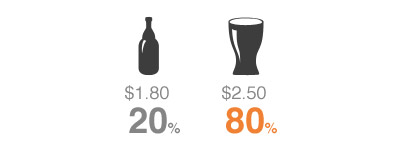
Four out of five (4/5) people chose the more popular premium option.
Could adding a third item and price point increase revenue by targeting those looking for a cheaper option? The researchers tested this by adding a $1.60 beer to the menu.
Test #2
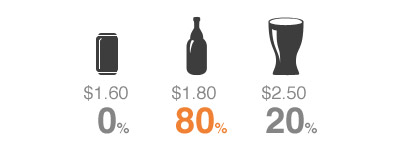
Oops. The cheap beer was ignored and it upended the ratio of standard to premium purchases.
This was clearly the wrong choice, since anchoring was playing a negative role. If customers don’t want a cheaper beer, perhaps a more expensive beer might work?
Test #3
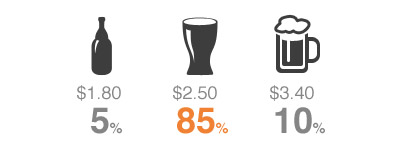
Much better. These examples show just how important it is to test out different pricing brackets, especially if you believe you may be undercharging.
Some customers are always going to want the most expensive option. That doesn't make an enterprise plan right for every product, but it serves as a compelling reminder that you can almost always find a proper reason to Charge More.
This is a share of some of the content i read online. i didn't write it.
BTW what you should aim for is TEST 3, where option B is what your trying to sell the most. sound obvious, but there is psychology behind it as you can see.
The intresting part to me, is how on TEST 2, poeple were willing to settle for something lesser, just because there is something worse. giving them the confirmation they seek.
And Take on TEST 1 is well, wish it was that simple in my business lol
author of Priceless: The Myth of Fair Value. As such, we can be swayed in ways we wouldn’t believe possible.
Poundstone discusses a study around the purchasing patterns of consumers over a selection of beer.
In the first test, there were only two options available: a regular option and a premium option.
Test #1
Four out of five (4/5) people chose the more popular premium option.
Could adding a third item and price point increase revenue by targeting those looking for a cheaper option? The researchers tested this by adding a $1.60 beer to the menu.
Test #2
Oops. The cheap beer was ignored and it upended the ratio of standard to premium purchases.
This was clearly the wrong choice, since anchoring was playing a negative role. If customers don’t want a cheaper beer, perhaps a more expensive beer might work?
Test #3
Much better. These examples show just how important it is to test out different pricing brackets, especially if you believe you may be undercharging.
Some customers are always going to want the most expensive option. That doesn't make an enterprise plan right for every product, but it serves as a compelling reminder that you can almost always find a proper reason to Charge More.
This is a share of some of the content i read online. i didn't write it.
BTW what you should aim for is TEST 3, where option B is what your trying to sell the most. sound obvious, but there is psychology behind it as you can see.
The intresting part to me, is how on TEST 2, poeple were willing to settle for something lesser, just because there is something worse. giving them the confirmation they seek.
And Take on TEST 1 is well, wish it was that simple in my business lol
Last edited:
 something super authentic about it