There are numerous payment models for advertising on the internet, each with its own advantages and disadvantages. In this article, we will take a detailed look at the CPT (Cost Per Time) model, which is quite rare and not available on all advertising platforms, but can be the most beneficial choice for advertiser in certain cases.
Importance of Choosing the Right Payment Model
Before delving into the differences between payment models, let's recall why it's crucial to choose a payment model that aligns with the goals of your advertising campaign.
Advertising is essential for increasing product or brand awareness. With numerous targeting settings, online promotion offers a wide range of opportunities. Additionally, online promotion allows for tracking impressions and assessing the audience that viewed or interacted with the advertisement in some way. Such data can be valuable for compiling statistics and analyzing the success of the campaign.
Types of Advertising Payment Models
A payment model refers to the conditions under which an advertiser places an advertisement. Let's consider the most popular models:
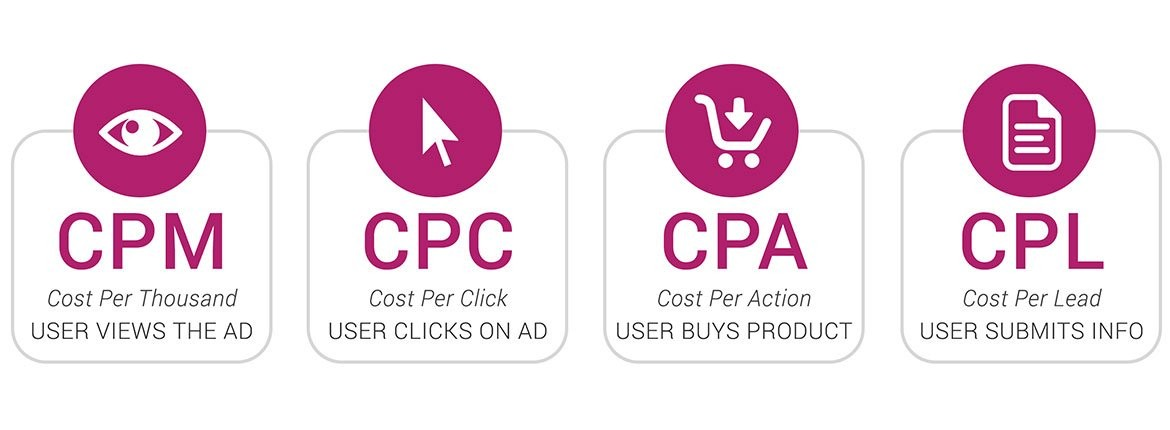
CPM (Cost Per Mille): Payment for a thousand impressions. In other words, the advertiser pays for the number of times the ad is displayed.
CPC (Cost Per Click): Payment for clicks. The advertiser pays only for clicks on the ad.
CPA (Cost Per Action): Payment for specific actions, such as product purchases, subscriptions, or contact information submissions.
However, there are less common payment models:
CPL (Cost Per Lead): Payment for targeted actions rather than impressions or clicks. This model allows for assessing the effectiveness of the campaign.
CPO (Cost Per Order): Payment for completed purchases. In this case, the advertiser pays only for actual product purchases by users.
CPV (Cost Per View): Payment for ad views. The advertiser pays only for views of the ad.
What is the CPT Payment Model?
CPT (Cost Per Time) is a model where the advertiser pays for a specific period during which the ad is displayed. The unit of measurement can be days, weeks, or months. This model is also applicable where affiliates earn based on the period during which a lead continues to use the product. Compared to CPC or CPL, this model places a greater emphasis on audience retention.
When using the CPT model, the advertiser pays a fixed amount for a specific period, regardless of the number of impressions or clicks. This method is suitable for those aiming to increase the number of views on their advertisement.
History and Current Relevance of the CPT Model
The CPT model has existed since the early stages of internet promotion. At that time, companies were highly interested in maximizing the reach of their ads. CPT allowed them to pay for the placement of creatives for a specific period, regardless of the number of impressions and clicks.
This approach was popular among advertisers with limited budgets as it allowed for reaching a large number of users without the need to pay for each view or click. Today, the CPT model is used less frequently compared to other methods like CPM and CPC. Nevertheless, it remains an effective tool for advertisers looking to ensure their ads are displayed for an extended period on a particular platform.
Why the CPT Model is Relevant in 2024
One of the main advantages of the CPT model is its cost-effectiveness. Advertisers need to pay significantly less as they pay for the entire period of ad placement. However, the cost per click might be higher compared to CPC and CPM models.
The CPT model works well for niches such as subscriptions, courses, utilities, and streaming services. The growing popularity of subscription models in recent years is another reason to consider the CPT model.
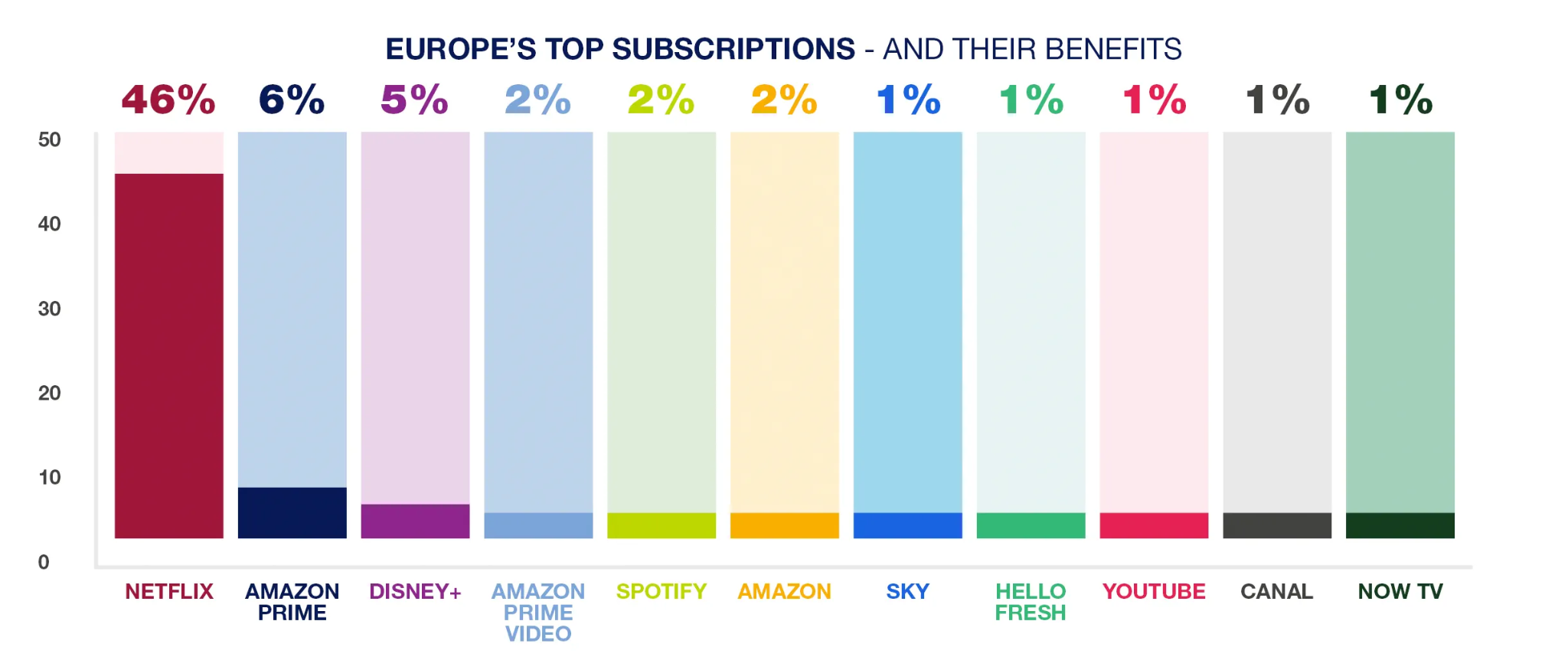
According to a 2023 Brother survey (with 4200 respondents from the US, Germany, France, and Italy), 79% of respondents are subscribed to at least one multimedia service, and 68% have multiple subscriptions. This is just a part of the Tier-1 market, surveyed only about entertainment subscriptions.
How to Benefit from the CPT Model
Look for products that emphasize long-term use, subscriptions, and recurring payments.
Build a promotion strategy focusing on long-term engagement rather than quick conversions. Highlight product advantages that increase LTV (Lifetime Value), exclusivity of content, and product support.
Seek out products with trials and emphasize this in promotions. Additionally, offer small bonuses in your campaign, such as guides or checklists for subscribing. If the advertiser hasn't provided any perks, you can create your own from publicly available sources or generate them using AI tools.
Maximize the use of product reviews and user-generated content (UGC) on landing pages.
Conclusion
The CPT model is a payment option for attracting traffic that can be useful for advertisers with small budgets or those working with subscription-based products. Depending on the campaign goals, even such a "dated" payment model can work to your advantage. In advertising, as we know, all means are fair.
There are numerous payment models for advertising on the internet, each with its own advantages and disadvantages. In this article, we will take a detailed look at the CPT (Cost Per Time) model, which is quite rare and not available on all advertising platforms, but can be the most beneficial choice for advertiser in certain cases.
Importance of Choosing the Right Payment Model
Before delving into the differences between payment models, let's recall why it's crucial to choose a payment model that aligns with the goals of your advertising campaign.
Advertising is essential for increasing product or brand awareness. With numerous targeting settings, online promotion offers a wide range of opportunities. Additionally, online promotion allows for tracking impressions and assessing the audience that viewed or interacted with the advertisement in some way. Such data can be valuable for compiling statistics and analyzing the success of the campaign.
Types of Advertising Payment Models
A payment model refers to the conditions under which an advertiser places an advertisement. Let's consider the most popular models:
CPM (Cost Per Mille): Payment for a thousand impressions. In other words, the advertiser pays for the number of times the ad is displayed.
CPC (Cost Per Click): Payment for clicks. The advertiser pays only for clicks on the ad.
CPA (Cost Per Action): Payment for specific actions, such as product purchases, subscriptions, or contact information submissions.
However, there are less common payment models:
CPL (Cost Per Lead): Payment for targeted actions rather than impressions or clicks. This model allows for assessing the effectiveness of the campaign.
CPO (Cost Per Order): Payment for completed purchases. In this case, the advertiser pays only for actual product purchases by users.
CPV (Cost Per View): Payment for ad views. The advertiser pays only for views of the ad.
What is the CPT Payment Model?
CPT (Cost Per Time) is a model where the advertiser pays for a specific period during which the ad is displayed. The unit of measurement can be days, weeks, or months. This model is also applicable where affiliates earn based on the period during which a lead continues to use the product. Compared to CPC or CPL, this model places a greater emphasis on audience retention.
When using the CPT model, the advertiser pays a fixed amount for a specific period, regardless of the number of impressions or clicks. This method is suitable for those aiming to increase the number of views on their advertisement.
History and Current Relevance of the CPT Model
The CPT model has existed since the early stages of internet promotion. At that time, companies were highly interested in maximizing the reach of their ads. CPT allowed them to pay for the placement of creatives for a specific period, regardless of the number of impressions and clicks.
This approach was popular among advertisers with limited budgets as it allowed for reaching a large number of users without the need to pay for each view or click. Today, the CPT model is used less frequently compared to other methods like CPM and CPC. Nevertheless, it remains an effective tool for advertisers looking to ensure their ads are displayed for an extended period on a particular platform.
Why the CPT Model is Relevant in 2024
One of the main advantages of the CPT model is its cost-effectiveness. Advertisers need to pay significantly less as they pay for the entire period of ad placement. However, the cost per click might be higher compared to CPC and CPM models.
The CPT model works well for niches such as subscriptions, courses, utilities, and streaming services. The growing popularity of subscription models in recent years is another reason to consider the CPT model.
According to a 2023 Brother survey (with 4200 respondents from the US, Germany, France, and Italy), 79% of respondents are subscribed to at least one multimedia service, and 68% have multiple subscriptions. This is just a part of the Tier-1 market, surveyed only about entertainment subscriptions.
How to Benefit from the CPT Model
Look for products that emphasize long-term use, subscriptions, and recurring payments.
Build a promotion strategy focusing on long-term engagement rather than quick conversions. Highlight product advantages that increase LTV (Lifetime Value), exclusivity of content, and product support.
Seek out products with trials and emphasize this in promotions. Additionally, offer small bonuses in your campaign, such as guides or checklists for subscribing. If the advertiser hasn't provided any perks, you can create your own from publicly available sources or generate them using AI tools.
Maximize the use of product reviews and user-generated content (UGC) on landing pages.
Conclusion
The CPT model is a payment option for attracting traffic that can be useful for advertisers with small budgets or those working with subscription-based products. Depending on the campaign goals, even such a "dated" payment model can work to your advantage. In advertising, as we know, all means are fair.
I'm having a hard time understanding why would anyone prefer this over other "infinite" models, such as revshare.
It increases the advertiser's risk while limiting the publisher's potential earning.
This site uses cookies to help personalise content, tailor your experience and to keep you logged in if you register.
By continuing to use this site, you are consenting to our use of cookies.